These labels are everywhere, but what does the term actually mean?
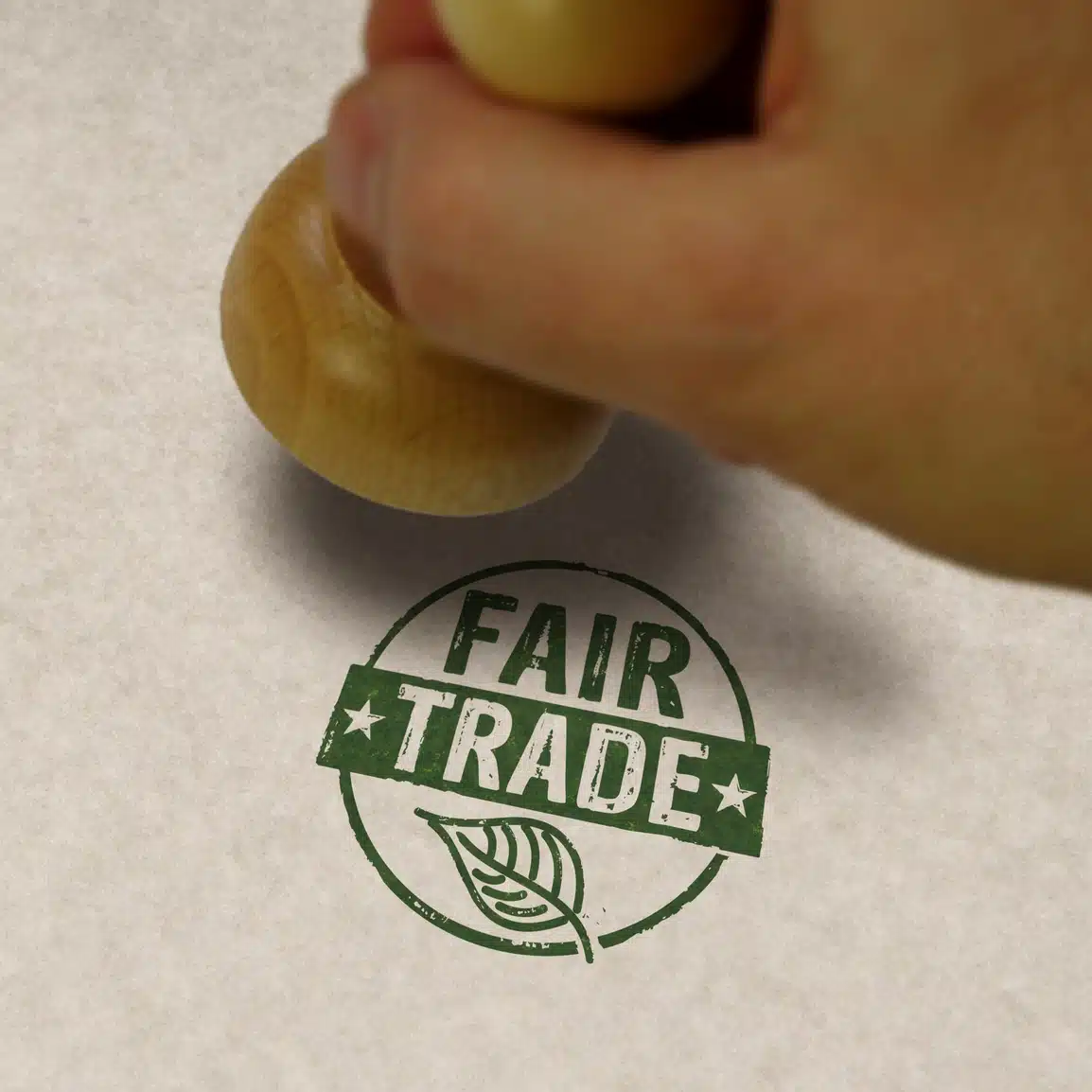
Today, buying sustainable and ethical clothing is both easier and harder than ever.
While there are plenty of options out there, the fashion industry is littered with buzzwords that make things difficult. Terms like sustainable, organic, and natural have all but become meaningless.
Fair trade is another one of those terms of questionable definition that you see a lot in fashion.
You probably associate fair trade with goods like fabrics, coffee, and chocolate. You also probably know that it’s some sort of program or certification meant to, well, make trade fairer. But, if you’re like most people, you probably don’t know exactly what it means.
Let’s take a closer look at what exactly fair trade is, what it involves, and how it works in today’s economy.
What Is Fair Trade?
First, note that there’s a difference between the two-word term fair trade and the one-word version. More on that in a moment.
The term fair trade refers to the concept of ensuring market access and fair prices for producers in developing countries.
Typically, goods and materials produced from developing countries are purchased and then marked up. That by itself is a sensible business practice, but it’s rife with issues.
For example, businesses may pay above or below market value for any specific goods.
On top of that, workers in developing countries only get a sliver of the profits their goods and materials end up generating.
The fair trade approach attempts to alleviate this issue by aiming to ensure that producers get paid well.
What Is Fairtrade Certified?
Confusingly, fair trade and Fairtrade don’t mean the same thing.
Fairtrade, as a capitalized one-word term, is used to refer to one of the many fair trade organizations. The two biggest are Fairtrade International, which also has an American offshoot, and the UK-based Fairtrade Foundation.
These organizations develop fair trade standards and work with certifiers to identify and label goods that meet those standards. If you’ve ever seen a product labeled Fairtrade, chances are that certification came from one of these organizations.

A good way to understand how these organizations work is to look at Fairtrade International’s standards. These standards are based on three types of criteria: economic, environmental, and social.
The economic criteria include the Fairtrade Minimum Price, which “aims to cover the average costs of sustainably producing a crop.” It also acts as a safety net for when market prices drop.
This economic criteria also includes the Fairtrade Premium, which is a specific amount paid on top of the minimum price. This extra cash allows producers to invest in their businesses.
The environmental standards outline fair trade practices around sustainability. These include things like responsibly managing water and waste and cutting down on harsh chemicals. The environmental criteria also prohibit certain materials, as well as GMOs.
Finally, the social criteria promote workers’ rights and safety. It also prohibits slave and child labor.
What Is Fair Trade Clothing?
When it comes to clothing, fair trade organizations work to verify the use of sustainable and ethical production methods. In short, fair trade attempts to counteract the problems of fast fashion.
Both Fairtrade International and Fairtrade America focus heavily on cotton production (though their standards cover other textiles as well). Fair trade cotton is produced with minimal use of agrochemicals, and much of it is also certified organic cotton.
Fairtrade-certified clothing is also much more likely to be ethically made. While it’s not bulletproof (more on that below), Fairtrade certification does a lot to ensure safe working conditions.
The Pros and Cons of Fair Trade
As an idea, fair trade is wonderful. There’s no doubt that it’s good to try to ensure decent working conditions and sustainable development.
However, it’s much more difficult to implement fair trade standards in practice. In other words, fair trade doesn’t automatically mean ethical, and there are some things to be aware of.
Here are some of the major criticisms that people levy against the fair trade approach — and the counterpoints.
Perhaps the biggest criticism of fair trade is its inability to ensure complete transparency.
Ensuring sustainable and ethical production throughout the supply chain is difficult, so problems often get unknowingly overlooked. This is especially true for larger producers with more complex structures.
To an extent, this criticism is valid. There’s no real way to always 100% verify that something meets all the Fairtrade criteria.
However, Fairtrade certification is certainly better than nothing. It’s also a good sign that the company at least cares somewhat about sustainability and ethics. Fast fashion companies like SHEIN and Temu will never have Fairtrade labels, for instance.
Another common criticism of fair trade is that it’s ineffective — especially for extremely small producers. Fairtrade certification is a time-consuming process that comes with its own fees, and it can be prohibitive for less established producers.
On the one hand, the extensive certification process is good because it’s thorough. On the other hand, it still requires a lot from producers. All in all, it’s sort of a mixed bag.
But one of the most damning criticisms of fair trade doesn’t benefit everyone in the supply chain. A 2019 study found that fair trade programs focused on farmers but ignored hired workers.
This means that hired workers don’t receive the same benefits. Specifically, hired workers get paid the same whether the cooperative they’re working for is Fairtrade-certified or not.
Unfortunately, it’s hard to say how much this issue has been mitigated in the years since that study was published.
Overall, it’s clear that fair trade is not a perfect approach. However, while the presence of a Fairtrade certification doesn’t ensure complete fairness, it still reflects a higher level of fairness.
Should You Buy Fair Trade?
With all this in mind, should you go out of your way to buy fair trade? It depends.
One thing to keep in mind is that the lack of a Fairtrade label doesn’t mean that an item isn’t fairly made. There are many companies that are sustainable and ethical but don’t opt to get certified (for many reasons).
Therefore, whether you should specifically buy fair trade products depends on the product and situation. If you’re buying from a company that has traceable sustainability and ethics initiatives in place, then you probably don’t need the security of a Fairtrade label.
However, there are some situations where you’ll want to look for Fairtrade certification. For example, if you’re buying something in a store, you can look for the Fairtrade label as a convenient stamp of quality. You might also consider this when choosing between similar products.
When it comes to clothing specifically, Fairtrade certification is less important. This is because there are plenty of other certifications and initiatives that exist to reflect a company’s focus on sustainability and ethics.
That said, buying Fairtrade-certified clothing is definitely a plus. In clothing, this will usually either mean that the clothes use certified materials or are produced in fair trade factories.
But don’t go off of Fairtrade labels alone. Certification programs like GOTS, bluesign®, and OEKO-TEX® are also important to look for.
Fair Trade Clothing for Guys
When it comes to fair trade men’s clothing, there are many options, but they’re scattered. Here are a few key brands that produce fair trade menswear:
Patagonia
Probably unsurprisingly, Patagonia makes much of its clothing in Fair Trade Certified™ factories. This certification comes from Fair Trade USA, another American fair trade nonprofit.
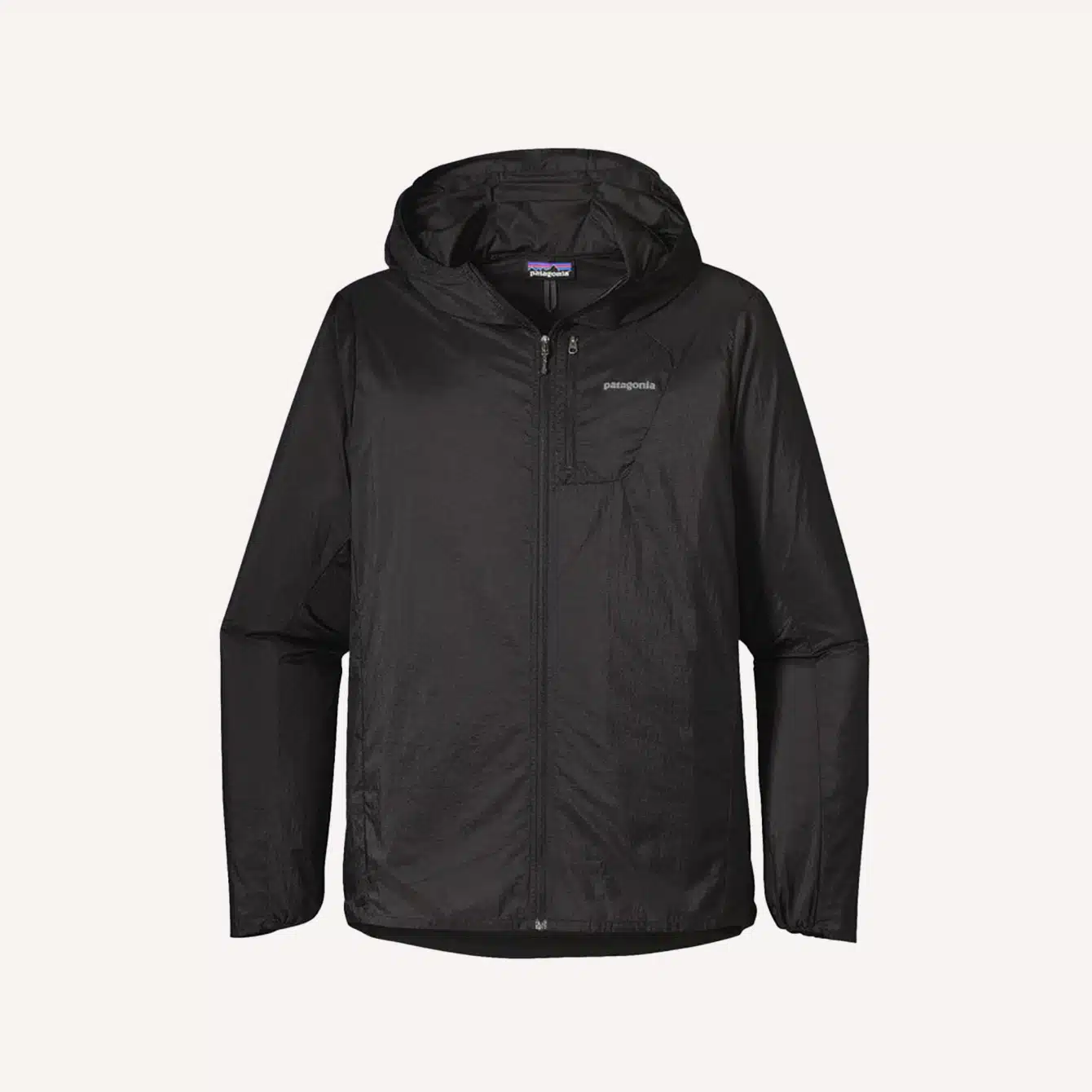
According to Patagonia’s page on fair trade, the brand offers more fair trade styles than any other brand. This is partially because of its early adoption — Patagonia has been making fair trade clothing since 2014.
Of course, this is just one of many programs Patagonia has in place to champion sustainability and ethics.
Pact
Pact also partners with Fair Trade USA. Nearly all of its garments are made in Fair Trade Factories.
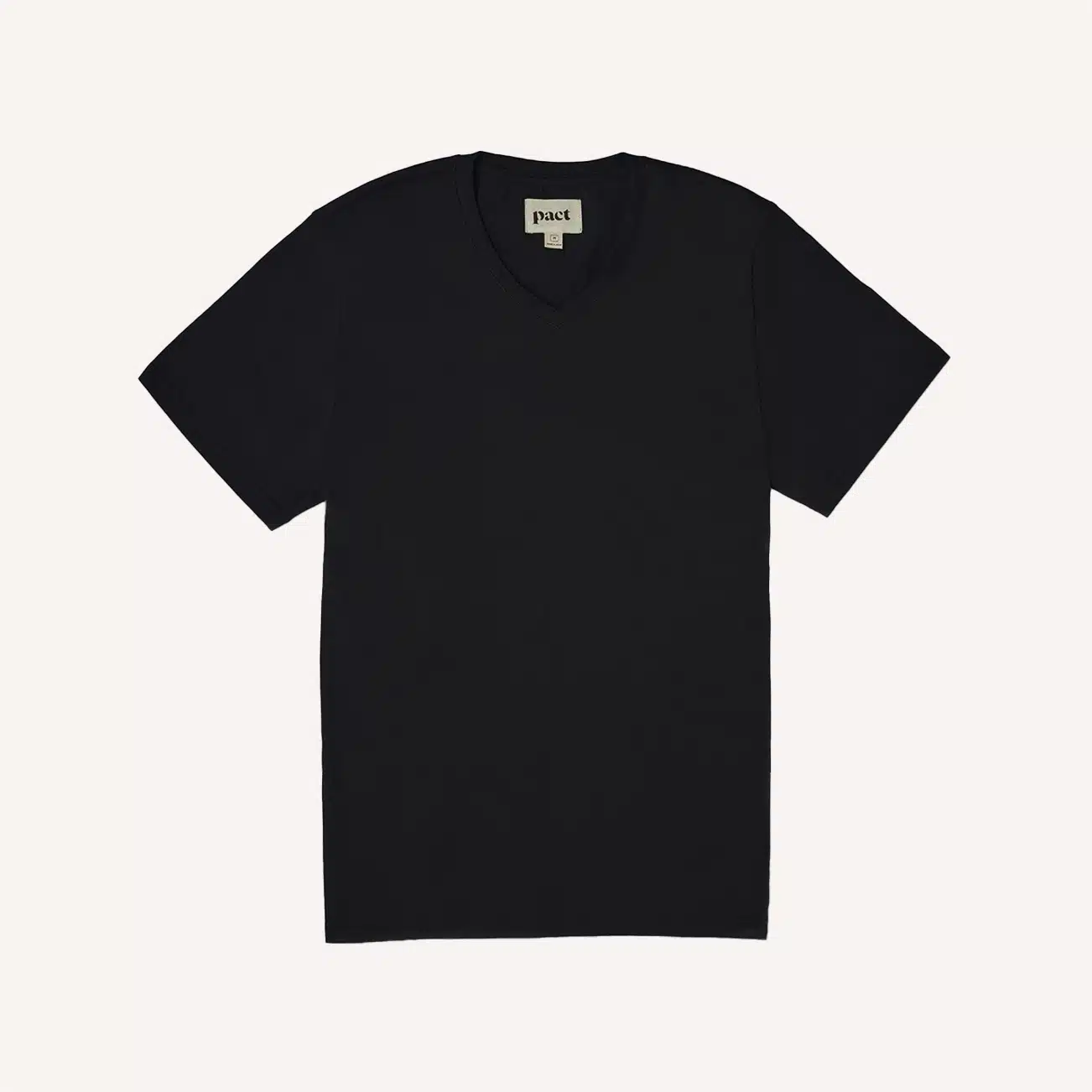
On top of that, Pact also uses more sustainable fabrics like GOTS-certified organic cotton and recycled nylon. This is a great option if you’re after better basics.
prAna
Outdoor brand prAna isn’t just another brand that hopped on the fair trade bandwagon. Rather, it was one of the first brands to partner with Fair Trade USA.
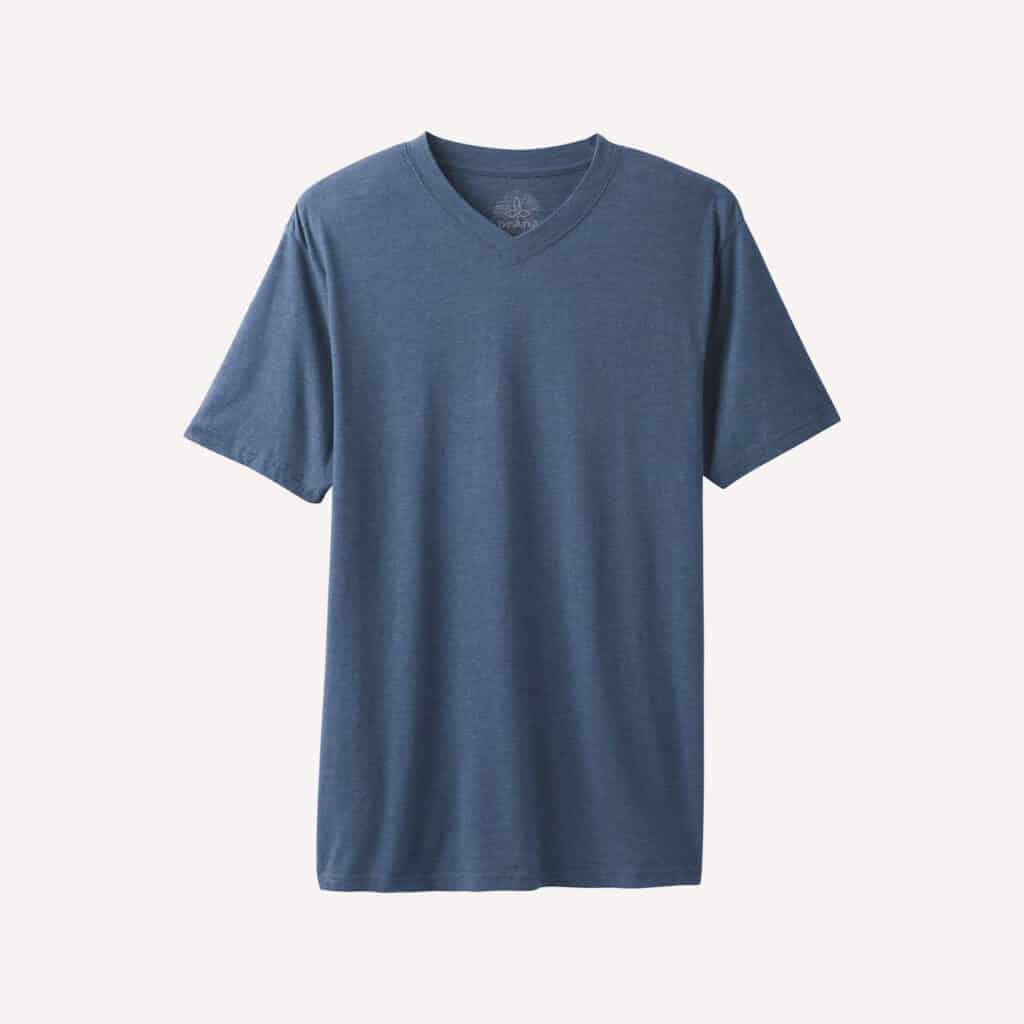
Today, most of prAna’s clothing is fair trade. The company also has a goal for 100% of its products to be made in fair trade factories by 2028.
What Is Fair Trade FAQ
Here are a few common questions about fair trade and their answers:
What Is Fair Trade in Clothing?
Fair trade means working to ensure market access and fair prices for producers in developing countries.
What Is a Fair Trade Brand?
Simply put, a fair trade brand is one that is certified by a fair trade program.
Is Fair Trade the Same as Ethical Clothing?
Sort of. Most fair trade clothing is ethical, but not all ethical clothing is fair trade. The absence or presence of a Fairtrade label doesn’t ultimately determine how ethical an item is (though it helps).
Is Fair Trade the same as Sustainable Clothing?
Typically, fair trade clothing is sustainably made.
Questions? Comments? Leave them below!








Ask Me Anything