Every year, new fashion buzzwords impact society at large. Here, I examine the most recent terms and their effect on the industry.

In the dynamic and fast-paced world of fashion, trends extend beyond clothing and styles, encompassing the language and concepts that define the industry’s ever-evolving landscape.
From season to season, year to year, fashion buzzwords abound and are released into the mainstream, transforming the narrative. Without fail, these words capture the complexities and intricacies of the fashion realm.
Exploring these buzzwords provides insight into the industry’s current priorities and sheds light on the collective effort to redefine fashion’s impact on the environment, society, and culture.
Sustainable Fashion Buzzwords
In this deep dive and in follow-up blog posts, we delve into the intriguing world of these new fashion buzzwords.
We will uncover their meanings and the profound impact they wield across society.
That includes how we dress, shop, and envision the concept of clothing in today’s fast-paced world.
Eco-friendly
One of the biggest fashion buzzwords in the industry today, ‘eco-friendly’ fashion, pertains to garments created through environmentally sustainable and accountable processes.
This involves utilizing sustainable materials like organic cotton, recycled textiles, and biodegradable fibers.
It also involves incorporating strategies to reduce waste and the carbon footprint across the supply chain. As more consumers embrace environmental protection, the term ‘eco-friendly’ signifies an approach that conscientiously strives to reduce adverse environmental effects.

The objective of eco-friendly fashion is to lower resource consumption, mitigate pollution, and promote sustainability across the complete life cycle of a product — from inception to its ultimate disposal.
Vintage
The term ‘vintage’ applies to apparel, accessories, or items that embody a particular era or historical period from the past, typically originating between 20 and 100 years ago.
People often value these pieces for their historical significance, artistic craftsmanship, and distinctive designs that characterize the era when artisans crafted them.
Although the term is very popular within the fashion world, it is also one of the most misused. That makes it even more important for consumers to denote the difference between ‘vintage’ and ‘retro’. Both terms are closely related but with notable caveats between them.
Retro pieces mirror the style of a particular bygone era, but manufacturers can produce them anew. Vintage pieces like Rolex watches, however, can be decades to generations older.
Sustainable
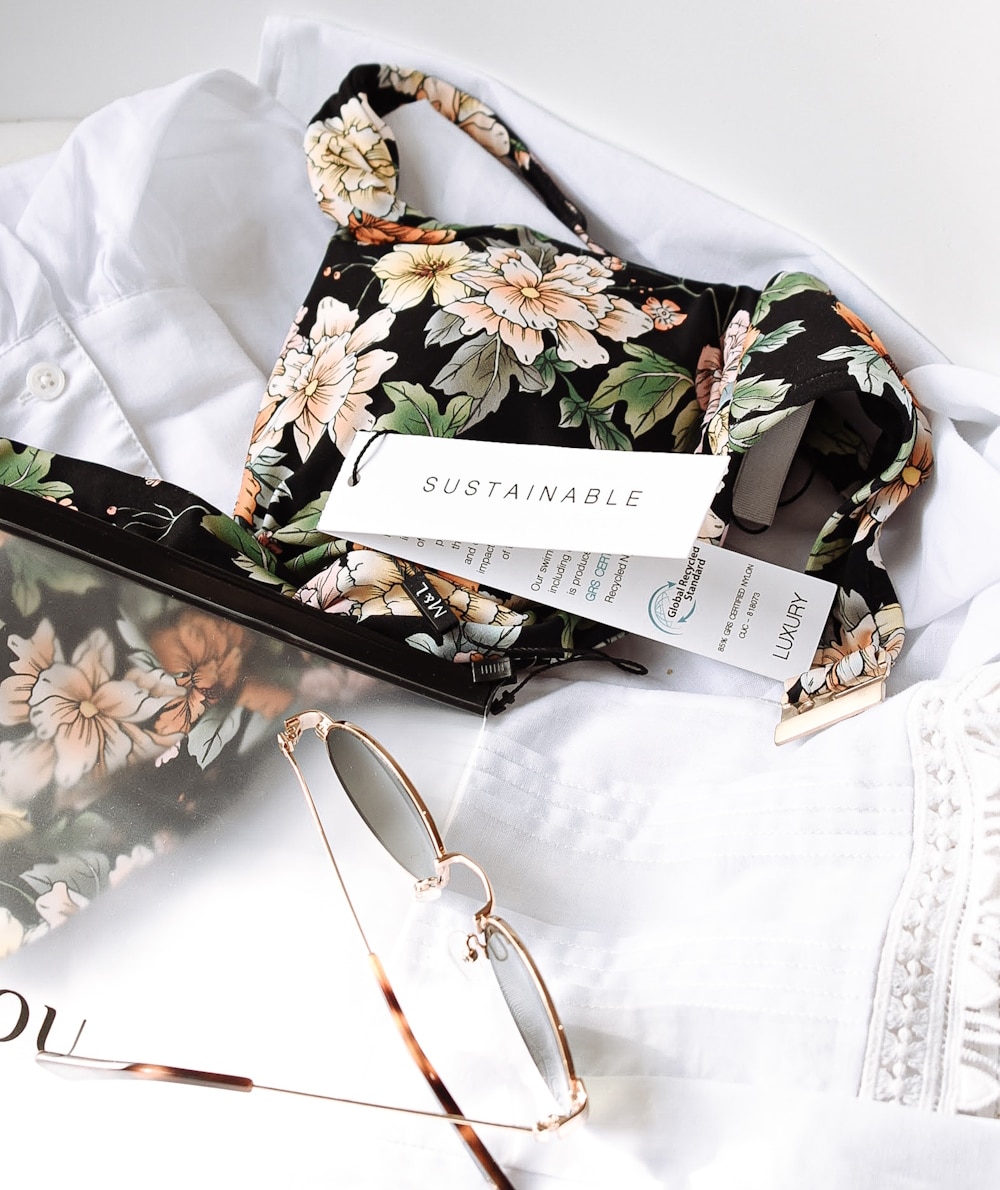
Anyone shopping — from brick and mortar stores to online shops — has seen the term ‘sustainable’ applied to their latest collections. The term has gained traction and it has become a popular approach to fashion.
Sustainability adopts a holistic approach to minimize the negative impact of clothing production on the environment and the economy. In the ideal sustainable model, a positive relationship exists across all players in the fashion supply chain, from the local communities to the stakeholders in the company.
Examples of sustainable fabrics include organic cotton, bamboo, and wool.
Ethical
Closely related to the term ‘sustainable,’ the term ‘ethical’ refers directly to the humanity of fashion, asking the question: Are items produced, purchased, and distributed in a humane way?
Ethical fashion prioritizes social responsibility and the well-being of everyone involved in the production and consumption of apparel and accessories. The majority of brands today boast ethical practices, and many include globally recognized certifications which consumers can research.
Ultimately, ethical fashion demands quality for the products themselves and those who create them.
Fair Trade
Fair Trade is a movement that promotes fair wages and better working conditions for workers in developing countries. The concept advocates for ethical practices, greater transparency, and equitable treatment for all involved in the production of clothing and accessories.
Fairtrade aims to improve economic opportunities for workers in the fashion industry, create safe working conditions, and promote sustainable farming and manufacturing practices.
Circular
Today’s consumers show a greater inclination to investigate the production methods of their garments and accessories. Circular fashion minimizes waste, extens the lifespan of products, and reduces the overall environmental impact of the fashion industry.
Companies that emphasize circular fashion are transparent across each stage of the process and value ethical practices as well as human rights.
Deadstock
Newer brands in fashion have made the term ‘deadstock’ one of the newer buzzwords in the industry, and the term refers to items or materials that manufacturers produced but never sold.
Deadstock items include products from previous seasons, styles that have been discontinued, and overproduced items. In essence, deadstock items are not entirely new but do not fall under the category of secondhand goods.
Slow Fashion
With the rise of ‘fast food’ labels that produce large quantities of clothing quickly, the term ‘slow fashion’ has become trendy.
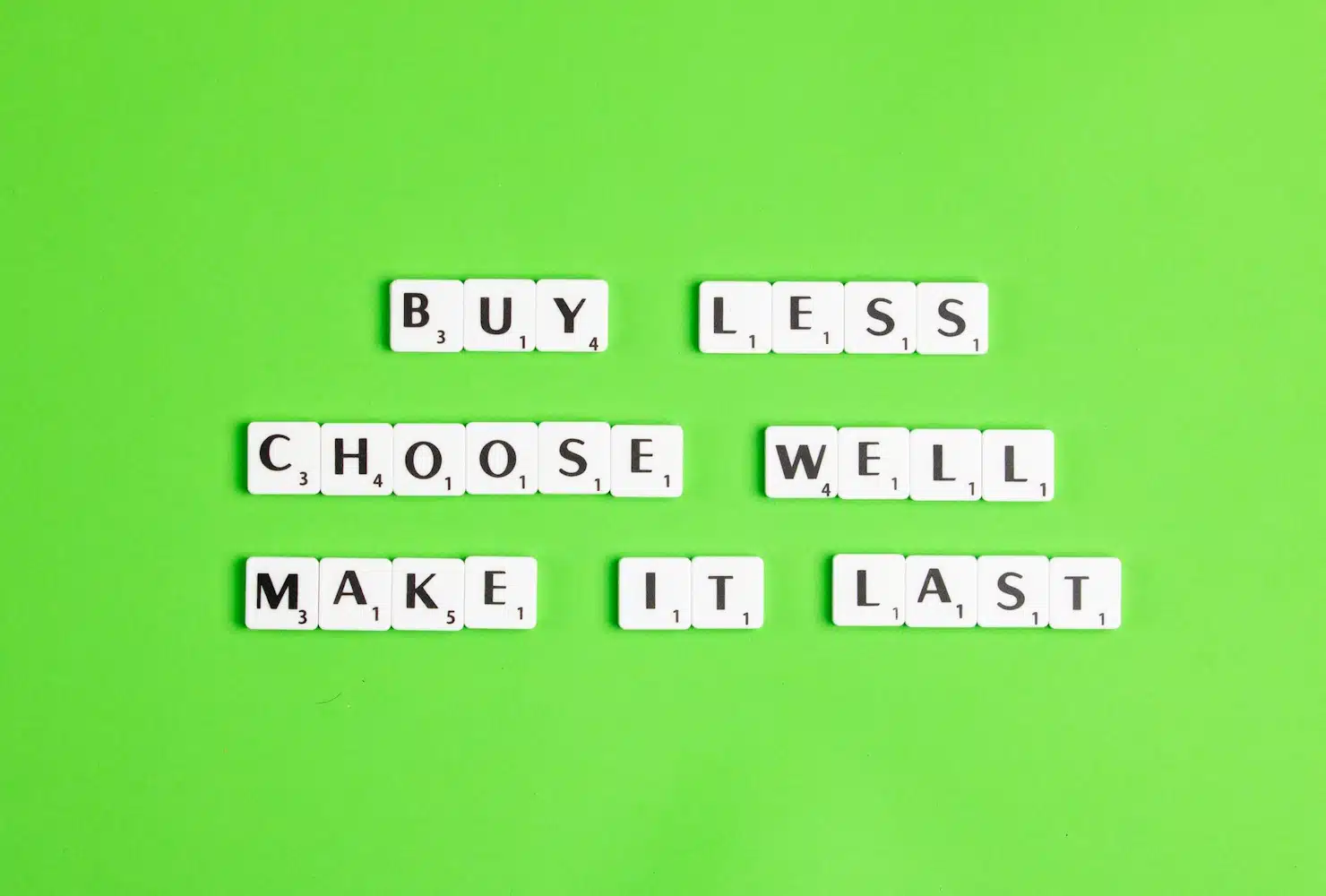
An important new buzzword, it refers to an intentional, mindful approach to clothing production and consumption.
Prioritizing quality over quantity, slow fashion brands urge consumers to invest in premium pieces made to last. This practice ensures that clothes are utilized for extended durations, thereby decreasing the quantity sent to landfills.
Upcycled
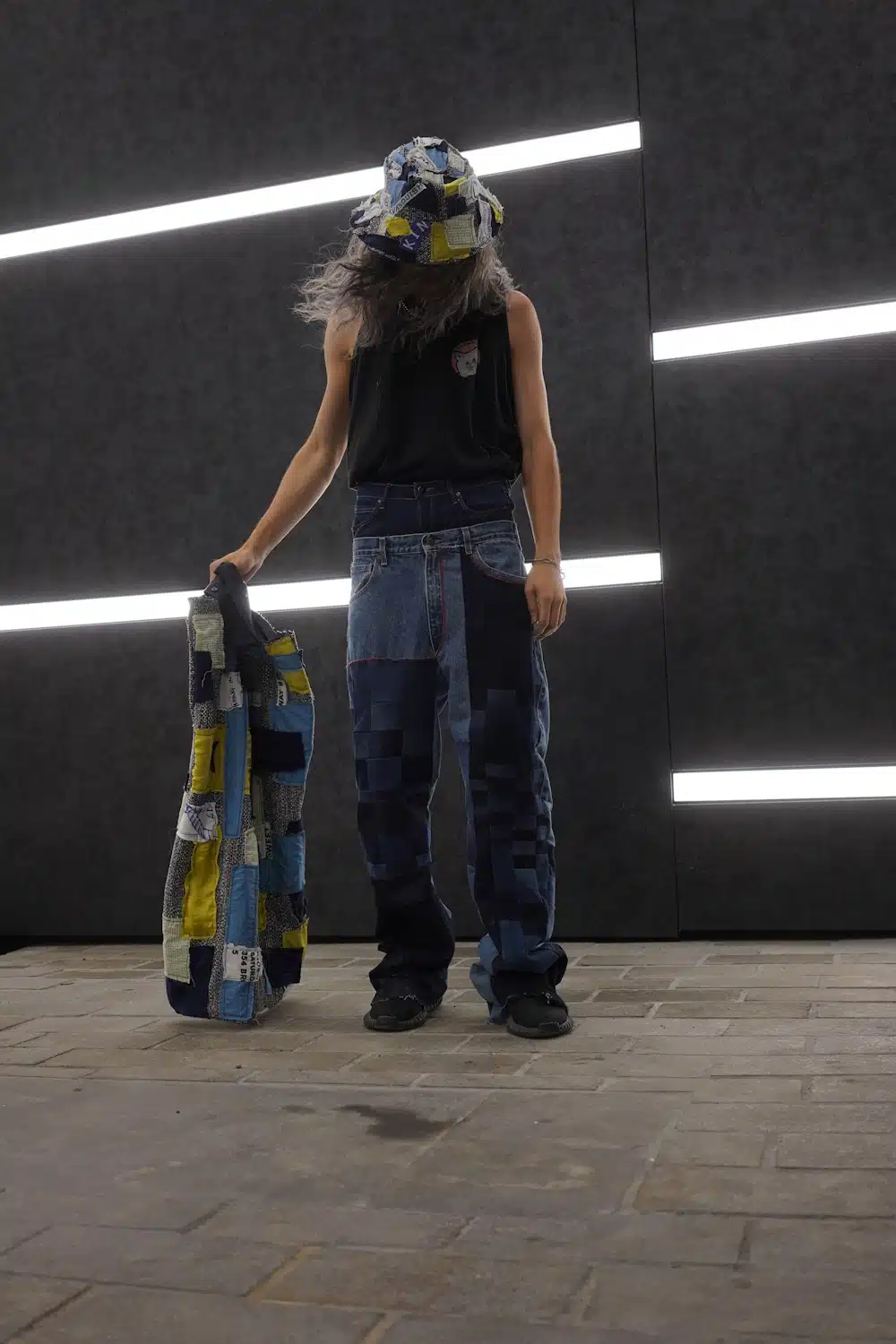
Also known as ‘repurposing’ or ‘reconstituted,’ ‘upcycled’ fashion involves transforming current items into something new and unique.
In recent years, upcycling has gained popularity among both amateurs and professionals.
Today, larger brands are embracing the practice of crafting new designs for their collections. Many consider this trend highly positive in the fashion industry.
Unlike recycling, upcycling doesn’t involve transforming products into new materials; instead, it involves repurposing them for novel uses.
Carbon Neutrality
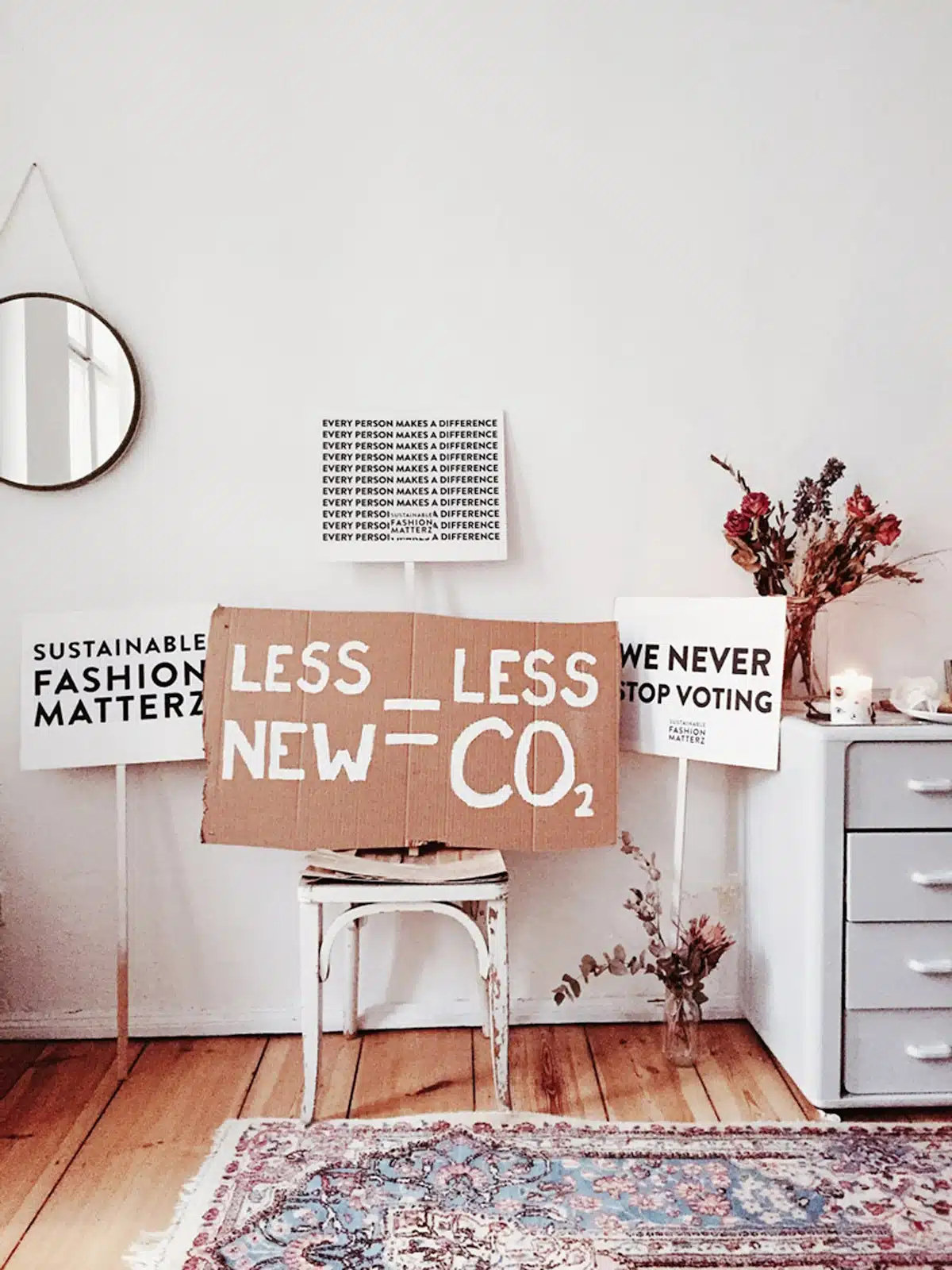
Although it is extremely difficult for a brand to be carbon-free, the next best thing is carbon neutrality. It is a step in the right direction towards fixing the world’s environmental issues.
Several fashion houses have pledged to become carbon neutral, but it may take decades to fully realize the effects of these efforts.
Transparency
Transparency has been a buzzword in the fashion industry for many years but has become increasingly more popular across every aspect of society.
For fashion specifically, the term refers to the open disclosure of information about a brand’s business policies and practices, particularly regarding ethics and sustainability.
Labels that are transparent share details about their sourcing, manufacturing, labor practices, environmental impact, and other relevant aspects of their operations.
Trends
In today’s fast-paced society, the word ‘trend’ seems everywhere. For the fashion industry, it refers to a prevailing preference in clothing, accessories, styles, or designs within a specific timeframe.
Trends can be dynamic and are always evolving, reflecting changes in culture, societal attitudes, aesthetics, and customer preferences.
While everything in fashion is ultimately a trend, here at The Modest Man we recommend buying clothes that are trend-resistent. Buying classic pieces in neutral colors that fit your body well is going to be the best option for the vast majority of men.
Made-to-Order
To reduce waste, many fashion brands are incorporating a made-to-order policy where items are created solely in response to direct customer orders.
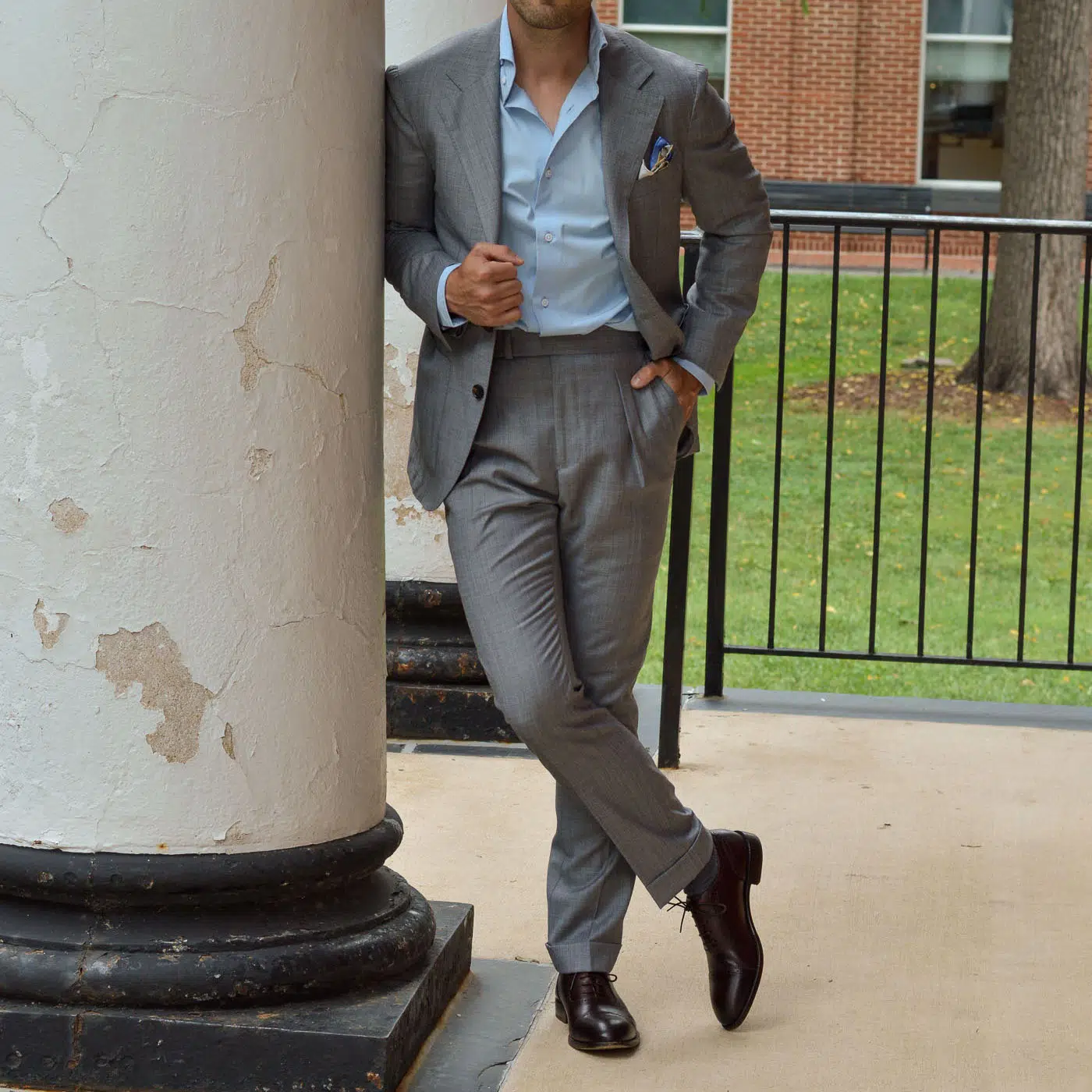
Instead of producing apparel en masse and stocking them in physical stores, made-to-order fashion eliminates wasted inventory that could potentially end up in a landfill.
Couture/Haute Couture
If there’s one word thrown around quite liberally these days in the fashion world, it is ‘couture,’ but the reality is that it is also one of the most incorrectly used.
Couture refers to high-end, custom-made clothing meticulously crafted by skilled artisans and designers, often using the finest materials and techniques.
Characterized by its exceptional quality, attention to detail, and exclusive nature, couture targets a select clientele in search of luxurious and personalized garments.
Furthermore, couture pieces often come with a hefty price tag, rendering them a luxury accessible to only a select few. Even for those with the means to purchase couture items, securing them can be difficult due to access to the designer creating them as well as the limited number produced.
An even more exclusive term, ‘haute couture,’ can only be applied if the fashion house producing it is Paris-based and includes a specified number of employees and a specific quantity of original pieces in each seasonal collection.
Zero-waste
Most brands, no matter the size and scale of their business, are adopting a zero-waste approach to business. The term refers to the elimination or substantial reduction of materials usually discarded during the manufacturing process.
By creating patterns and apparel in a way that utilizes all pieces of the fabric, the zero-waste approach to design leaves no scraps or remnants behind.
Fashion Buzzwords Drive the Industry to Action
Fashion buzzwords play a pivotal role in shaping and influencing the fashion industry.
These terms encompass a range of concepts that address the industry’s evolving values, including sustainability, ethics, and innovation.
The importance of fashion buzzwords in the industry is far-reaching. It has real-life consequences, influencing how the industry is perceived and fostering support towards more responsible practices that affect consumers as well as the environment.
Every time a word enters the zeitgeist, it serves as a catalyst for positive change and a force for progress throughout the fashion sector.
Are you interested in taking your style to the next level? Subscribe to our monthly newsletter!








Ask Me Anything