Supima cotton is prized for it’s unique properties. Here’s why!
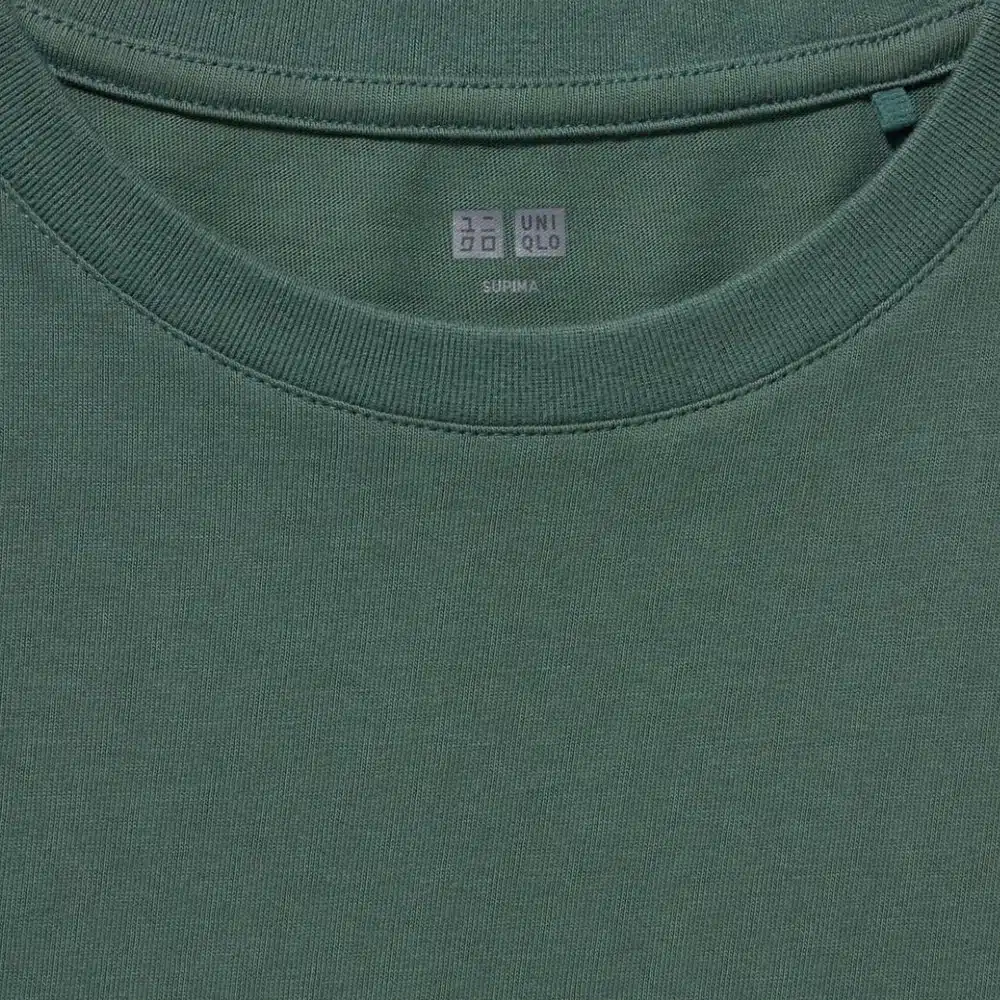
Supima cotton has seen a meteoric rise in popularity. This article will explore the origins of Supima cotton, expound on its current state, and evaluate whether Supima cotton’s reputation is earned or overblown.
Quick Overview of Supima Cotton
Supima cotton is a high-quality type of cotton known for its exceptional softness, strength, and durability. The name “Supima” is derived from “Superior Pima,” highlighting its superior characteristics compared to other types of cotton.
In addition to its superior softness and durability, Supima cotton is also easier to dye vibrant colors than lesser quality cottons. Supima features thinner individual strands, so dyes and colors last longer before fading with frequent washing and drying.
The Origins of Supima Cotton
To understand Supima cotton, it’s important to remember that not all cotton is the same.
Like any crop, certain strains of cotton will be better suited for different use cases. Today, Supima cotton is a protected “brand” of cotton grown exclusively in the United States.
Let’s explore the origins of this unique strain of cotton and see what makes it desirable for clothing.
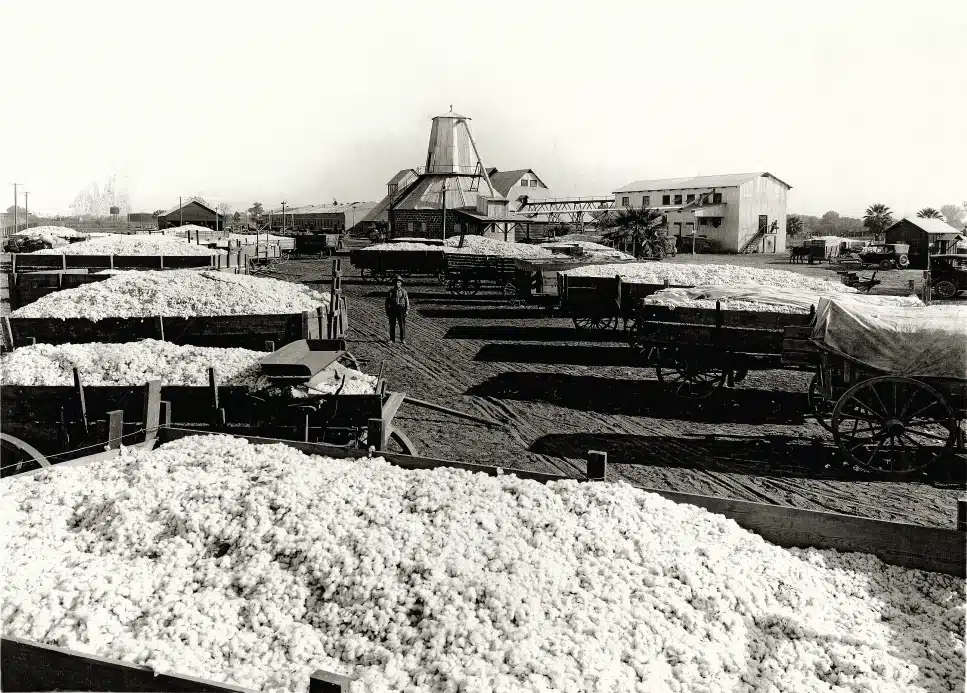
The origins of Supima cotton trace back to the late 19th and early 20th century. First, a promising ESL strain of cotton was introduced to the American Southwest. ESL stands for extra-long staple.
This newcomer, Pima cotton, hailed from faraway Peru. However, it adjusted well to the climate of the Southwest.
Around 1950, American geneticists modified and cross-bred variations within the Pima cotton genome in order to further increase strand length, durability, and increase yields. They called this new version of Pima “Supima” cotton, short for “Superior Pima.”
In 1954 the Supima association was formed to promote this new strand of cotton. This association trademarked “Supima cotton” and specified the standards for the material.
Today, the Supima Association of America operates as a non-profit trade association. This organization certifies that all Supima cotton has been grown domestically and has been manufactured by textiles within the United States.
They also enforce standards of quality such as length, softness, and durability.
The Qualities and Quality of Supima Cotton
Supima cotton has the advantage of being protected and regulated soon after its initial inception. The tight control of the Supima Association has historically kept the quality of this material high.
Therefore, Supima has long been associated with quality and quickly gained a reputation on the world stage.
Primarily, Supima cotton is known for being soft to the touch. It feels cozy against the skin without causing abrasions like many other natural fibers, such as certain wools.

Because of its innate softness and long, fine fibers, Supima cotton is less likely to pill. For the un-initiated, “pilling” refer to the tiny balls of material that cling to the older cotton shirts that you find in the thrift shop.
(Here’s how to get rid of pilling). Despite any resistance to pilling this material may have, Supima is still thinner than many other types of cotton.
Ultimately, a thin material often wears out faster than thick cloth. Thinner cloth with less pilling such as Supima may well look better as it ages, but it suffers from a shorter lifespan.
Thin material, while less durable, is typically easier to dye. Supima cotton is no exception.
The long, fine strands of Supima allows it to be dyed easier than most natural fibers. These thinner strands are also easier to fully permeate with dye, making them stay colorful longer after repeated washes.
Potential Downsides of Supima Cotton
Supima cotton has earned a reputation for fine and durable fibers, in large part due to early and aggressive regulation.
However, this same protection also leads to some uncertainty about the material overall. Yes, The Supima Trade Association only licenses Supima cotton to fabric grown and processed in the USA.
How soft is Supima cotton?
Supima cotton is a variant of Pima cotton that is already extremely soft. Supima cotton is hailed as being softer than most Pima (which can vary widely).
Does Supima cotton pill?
Supima cotton can pill like other natural fibers. However, the lighter and thinner strands pill less frequently than most other cotton and much less than wool.
Supima Versus Wool
Supima cotton is far more breathable than standard wool. Supima cotton is considerably softer and more comfortable in warm environments, while feeling smoother against the skinto boot.
Many wool weaves pill very easily and can start to look shoddy. In contrast, the thinner and more densely woven cotton fibers of Supima pill and clump up far less frequently. Wool lasts longer but Supima may well look better for longer than wool.
Supima cotton falls short when it comes to insulation and water resistance. I’ve seen claims that Supima cotton is water resistant and moisture-wicking, but those claims are largely nonsense.
The tight weave of Supima may deflect and redirect a small amount of water, but Supima will still absorb water like a cottonball. Wool, however, has a natural waxy property that helps insulate the material and block water absorption.
Supima punches back when it comes to color. While both of these natural fibers can be difficult to dye, the thinner Supima strands can be dyed brighter and hold their color better than generic wool counterparts.
Supima Versus Pima and Other Cotton
Is Supima cotton better than Pima cotton in general? Sometimes. Certain strands of Pima
While the Supima Association claims to hold farmers and textiles to the highest quality standards, it’s nearly impossible to find details describing any specific standards.
The Supima Association is non-profit, which is noble, but ultimately, potential buyers cotton could certainly outclass Supima cotton, even in categories such as durability and softness.
Then why buy Supima over the more readily available and more affordable Pima cotton?
Supima cotton is guaranteed to be grown and woven in the USA. Many people within the United States prefer to pay a higher price to support domestic industries.
While being notably more expensive, many outside of the USA still choose Supima cotton for a guaranteed standard of quality.
Pima cotton is simply a classification of a type of cotton that is ungoverned and unregulated. Supima cotton is a branch of Pima cotton supercharged and regulated by the USA.
Many brands choose to exclusively sell Supima cotton instead of branching out to other variants. These brands optimize their production of shirts, jeans, etc. strictly for Supima cotton.
Less picky competitors choose cotton cloth of varying quality with different strand length, density, and thickness that limits the quality that they can guarantee.
FAQs
In the mood to skim the bare facts about Supima cotton? This quick FAQ below is for you!
What is Supima cotton?
Thin, high quality, and vibrant cotton exclusively produced in the USA.
How is Supima cotton different than Pima cotton?
Supima cotton is a genetically modified variant of Pima cotton. Supima is short for “Superior Pima,” so called for being thinner and more durable than Pima cotton.
Is Supima cotton worth the price?
Other cotton articles of clothing may be even more durable and soft. However, the Supima branding certifies a high level of quality and comfort.
Is Supima cotton better than other cotton?
Supima cotton is remarkably thin, resilient,and vibrant, but not necessarily better than all other cotton. Supima cotton is, at the end of the day, an American brand signifying quality, but not necessarily supremacy.
Does Supima cotton fade easily?
Supima cotton’s thinner fibers can be dyed more vibrant colors and hold them longer than most natural fibers, but won’t retain color as readily as many synthetic fabrics.
Is Supima cotton sustainable?
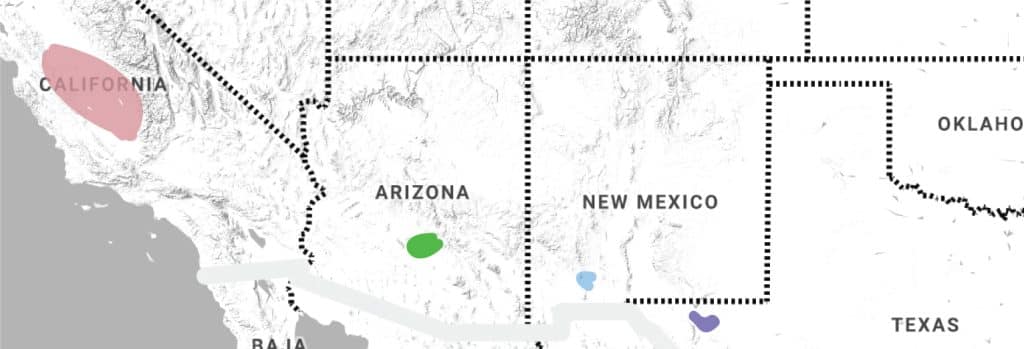
No. Supima cotton takes an extravagant amount of water to grow. Supima cotton is grown primarily in the arid western United States.
Is Supima cotton made in the USA?
While it’s not as sustainable as material such as wool due to it’s large water usage, it fulfills a different role as a more vibrant and breathable fabric.
I wouldn’t skip over other cotton clothing while shopping in person, since the qualities of cotton can greatly vary. However, Supima cotton would be a smart choice for online shopping.
The guaranteed standards of Supima certified cotton means you’ll get some of the softestand durable cotton available.
Conclusion
Overall, I believe that Supima cotton’s reputation of quality and softness is well-earned.
Unlike other regulated crops in the United States such as corn or wheat, Supima cotton is protected by a private organization rather than a government body.
trust their stamp of approval without really knowing what exact standards have been met by the producers of Supima cotton.
Arguably, the biggest issue for Supima cotton is its unsustainability. This crop is primarily grown in the southwestern United States. Farming uses more water than any other US industry, and cotton is a thirsty plant.
Every year, the crucial Colorado river shrinks, and Supima cotton certainly contributes to this crisis.
I’m not saying it’s bad or unethical to purchase Supima cotton. While the crop does suck up copious amounts of water, the production of Supima cotton also provides essential American jobs in a market dominated by oversea markets.
Rather than condemning Supima cotton outright, I simply wish to provide a more holistic view on the product.
It’s often said that Supima cotton is 50% less likely to pill than other cotton. However, since pilling is a natural consequence of aging, this claim is hard for individual consumers like you and me to confirm.
This same anti-pilling quality is also one of the core arguments in favor of Supima being more durable.
What do you think? Is it Supima cotton worth it? Let me know in the comment section below!







I have 2 sets of supima cotton towels that I purchased from Kohls in the mid 1990’s. They are the ONLY bath towels used in my household by me, my husband, grandkids, guests, etc. And to feel them, you would think they are fairly new. Searching where I can get a new set, I came across this article. I want nothing else that this type of cotton for my towels.
That’s great to know! I really like when products last for years. The only problem is finding replacements when they finally wear out!
How does a person know if they’re getting Supima in the first place? Especially with imported items. Regulations mean little without enforcement. Crooks are known to use/mix inferior cotton, olive oil, etc in their products. “Reputable brands” aren’t reassuring – I doubt many retailers send random samples for DNA testing.