
Hair loss freaks a lot of guys out, and for good reason—it’s tied to identity, confidence, and how we think the world sees us. The problem is, most of the panic comes from bad information passed around like locker room gossip. A buddy says something, you read a sketchy forum post, and suddenly you’re convinced you’re going bald tomorrow. The truth is, plenty of what you’ve heard is wrong or wildly exaggerated. So let’s cut through the noise and talk about what’s real, so you can stop stressing over myths and focus on facts.
Wearing Hats Causes Hair Loss

Hats don’t block oxygen or “choke” your hair follicles. Hair gets its nutrients from blood vessels under the skin, not from the air. Unless a hat is painfully tight and constantly pulling hair out, it has nothing to do with balding. Wear your cap to the gym or the game without thinking twice; it’s not your hairline’s enemy.
Frequent Hair Washing Makes Hair Fall Out

Seeing hair in the drain can be unsettling, but it’s just the normal shedding phase. Each follicle has a growth cycle, and losing 50 to 100 hairs a day is expected. Washing your hair doesn’t damage the follicle beneath the skin. If anything, keeping your scalp clean supports healthy growth.
Only Old Men Lose Hair

Hair changes can show up at any age. Some guys see thinning in their early 20s, while others keep a full head well into their 50s. Early hair loss doesn’t guarantee you’ll be fully bald—it’s often slow and varies from person to person. Your age alone isn’t a reliable predictor of how your hair will change.
Shaving Your Head Makes Hair Grow Back Thicker

Shaving doesn’t change the thickness, speed, or texture of your hair. It only makes the ends blunt, which creates the illusion of thicker strands when it grows back in. Follicles produce hair the same way, no matter how close you cut it. If you like the clean look, shave away, but don’t expect it to “train” your hair to grow fuller.
Pulling Out a Gray Hair Makes More Grow Back

A single follicle can only produce one hair at a time. Pulling it out doesn’t make two more appear, gray or otherwise. You might notice more grays over time, but that’s just aging and genetics—not a chain reaction from plucking. If you hate them, dye them, or embrace them, but don’t buy into the “spreading” myth.
Every Receding Hairline Means You’re Going Bald

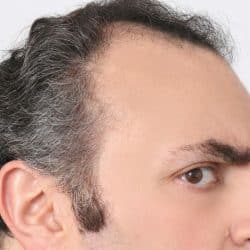
Not every shift in your hairline signals disaster. Many men develop a mature hairline in their late 20s or 30s, where the hairline naturally moves back slightly but then stops. This is simply part of aging and doesn’t automatically mean male pattern baldness is starting. Balding involves continuous recession and thinning over time, which looks very different from a stable, mature hairline. Learning to tell the difference will save you a lot of unnecessary worry.
Hair Products Like Gel or Wax Cause Balding

Most gels, waxes, or pomades don’t damage hair follicles when used correctly. Problems only arise if products aren’t washed out regularly, leading to scalp buildup and irritation. Good hygiene makes all the difference here. Style your hair how you want. Just keep your scalp clean at the end of the day.
Stress Will Make You Bald Overnight

Severe stress can cause temporary shedding, but it doesn’t happen instantly or wipe out your hairline in days. Hair follicles respond slowly to changes in your body, so any loss from stress usually shows up months later and can grow back. Genetics still play the biggest role in long-term hair loss. Learning to manage stress helps your health overall, not just your hair.
You Inherit Baldness Only from Your Mother’s Side

The “mother’s side only” rule is outdated. Hair loss traits can come from either side of your family, or a mix of both. You could have a bald father and keep your hair, or have a full-haired dad and still thin out. Genetics is a roll of the dice—not a single family line to blame.
Poor Circulation in the Scalp Causes Hair Loss

This theory has been floating around for decades, but it doesn’t hold up to science. The scalp gets plenty of blood flow in healthy individuals, even in balding areas. Hair loss is driven mostly by genetics and hormones, not a lack of circulation. Massage your scalp if it feels good, but don’t expect it to reverse baldness.
Once Hair Starts Thinning, Nothing Can Be Done

While some causes of hair loss are permanent, many can be slowed or managed. Treatments like minoxidil, finasteride, and low-level laser therapy can help in the right cases. Even lifestyle changes like improving diet and reducing harsh styling can make a difference. It’s not an all-or-nothing situation—options exist if you act early.
Hair Loss Means You’re Less Healthy

Plenty of healthy, fit men experience hair loss. Genetics, hormones, and age are usually the main factors. Unless shedding is tied to an underlying illness, your hairline says nothing about your overall health. Bald or not, what matters most is how you take care of your body.
Supplements Alone Can Reverse Hair Loss

Supplements help only if a deficiency is causing the problem. Most male hair loss isn’t from missing vitamins; it’s from genetic factors. Popping pills won’t magically regrow lost hair. A balanced diet supports hair health, but don’t rely on capsules as a cure.
Hair Loss Only Happens on the Top of Your Head

The most common pattern affects the crown and temples, but hair loss can happen anywhere. Some men thin evenly across the scalp, while others notice it along the hairline first. Genetics decides the pattern, not a universal rule. That’s why two guys with “hair loss” can look completely different.
You’ll Look Bad Without Hair

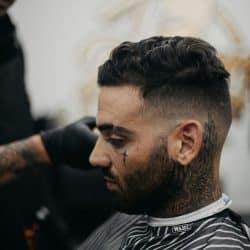
This is one of the most damaging myths of all. Plenty of men look more confident and stylish with a shaved head than they do with thin hair. How you carry yourself matters more than what’s on your head. The right mindset, grooming, and style can make hair loss irrelevant to your attractiveness.






Ask Me Anything