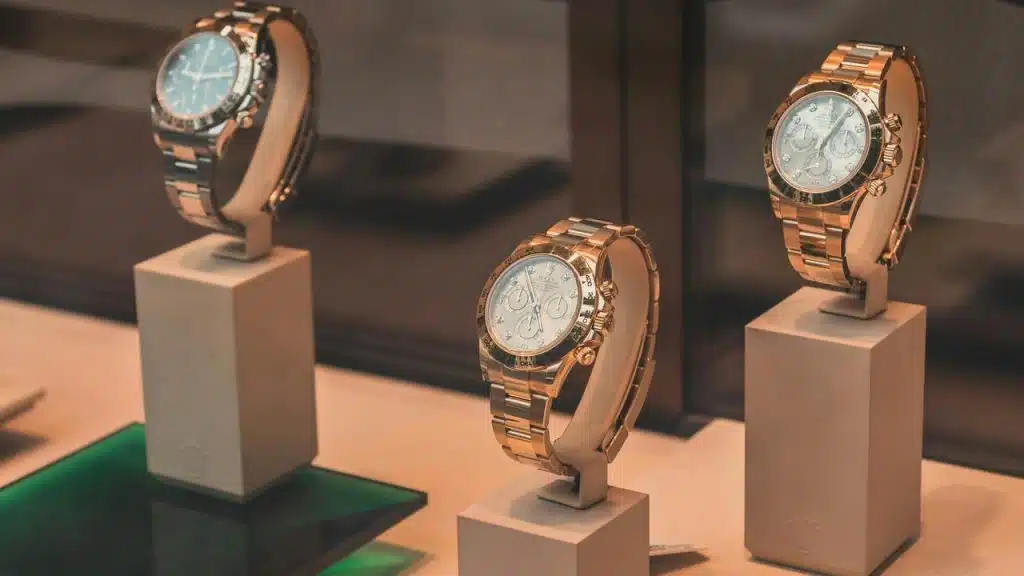
Buying your first luxury watch feels like stepping into a whole new world. It’s part art gallery, part engineering marvel, and part personal statement.
With so many options (and opinions) swirling around, it’s easy to feel overwhelmed with the whole process. These 17 tips will help keep your head clear and your heart in the right place while you find the perfect timepiece to call your own.
1. Start with why you even want one
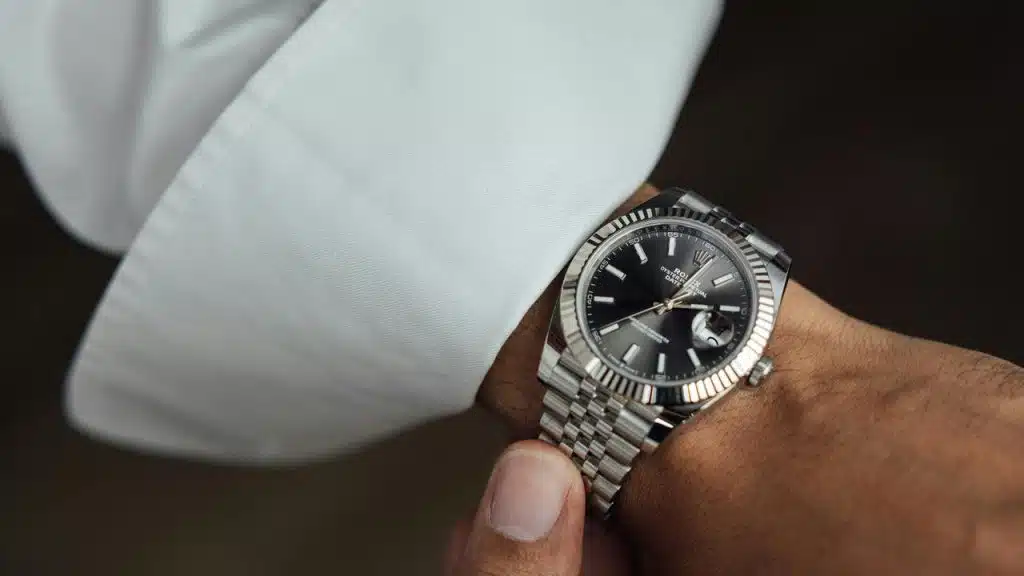
Before cracking open a catalog or scrolling through endless Instagram wrist shots, ask yourself, “Why am I buying this?”
A luxury watch can mean many things, like a family heirloom, a reward for a milestone, a subtle flex, or simply an appreciation for craftsmanship. Some folks just want something reliable to wear to weddings and boardrooms. Others dream about diving to shipwrecks with a Submariner.
Pinpointing your motivation now saves you from regretting an impulse purchase later.
2. Set a realistic budget and stick to it
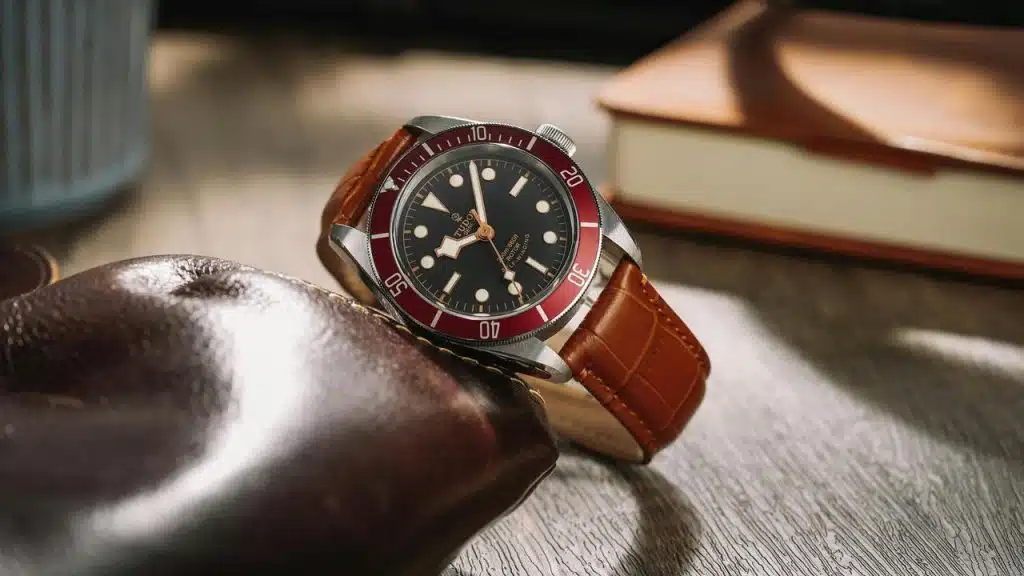
Luxury watches can cost anywhere from a couple thousand to the price of a decent car. It’s tempting to stretch the budget “just a little,” but that road never ends. Decide what you’re comfortable spending and remember to factor in taxes, insurance, and maybe even a service down the line.
No one wants to wear their dream watch and feel queasy every time they glance at the bill. A solid budget also keeps negotiations with dealers or sellers much easier since you know your limits and can walk away if needed.
3. Get familiar with the big names and the underdogs, too
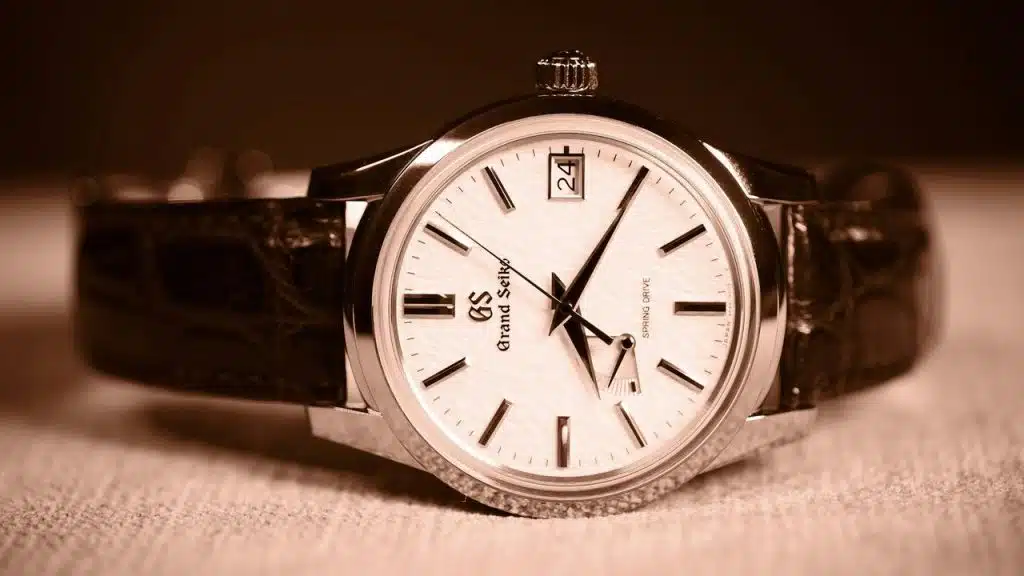
Everyone knows Rolex, Omega, and Patek Philippe. Their reputations didn’t come from thin air. They’ve earned it over the decades. But don’t overlook brands like Grand Seiko, Tudor, or Oris, which offer incredible quality at more approachable prices.
Sometimes those lesser-known brands spark more interesting conversations. There’s something quietly satisfying about sporting a watch people need to ask about. It’s like discovering a hidden restaurant only locals know.
4. Understand the movements (the engine under the hood)
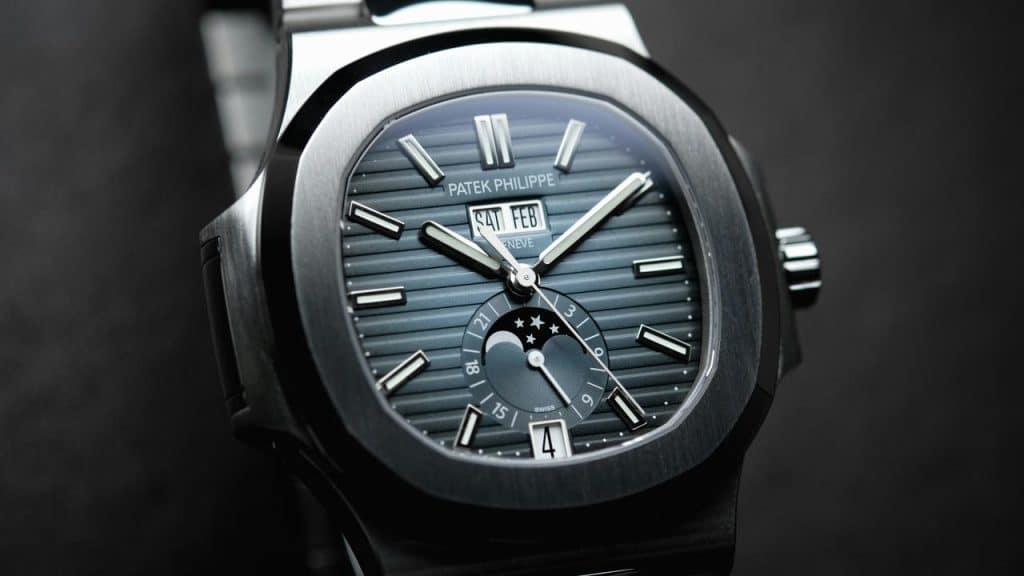
Inside your watch lies its beating heart, the movement. Mechanical and automatic movements rely on finely tuned gears and springs (a bit like a vintage muscle car). Quartz watches use a battery and crystal to keep time with almost eerie precision.
Neither is “better,” but they feel very different. If you love the idea of centuries-old engineering, mechanical might pull at your heartstrings. If you want set-it-and-forget-it convenience, quartz delivers beautifully.
5. Decide what style fits your lifestyle
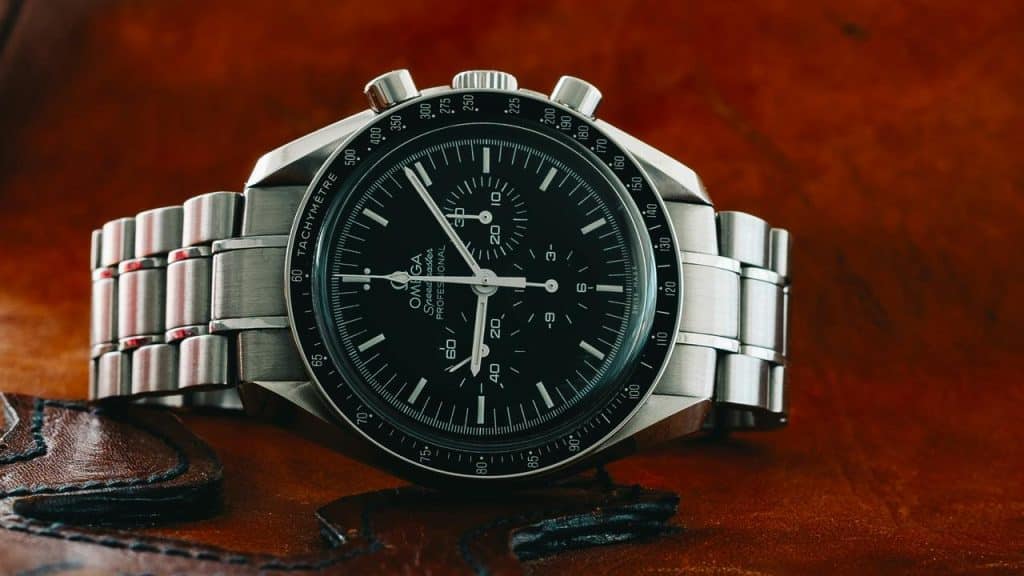
You wouldn’t wear hiking boots to a black-tie gala, right? Watches are the same way. Dress watches (thin and simple) slide under a shirt cuff beautifully. Dive watches (chunky and water-resistant) are perfect for weekends and adventure.
Pilot and field watches sit somewhere in between. Thinking about where you’ll actually wear it, daily office wear, special occasions, and casual weekends, will steer you toward a style that feels right every time.
6. Pay attention to the materials
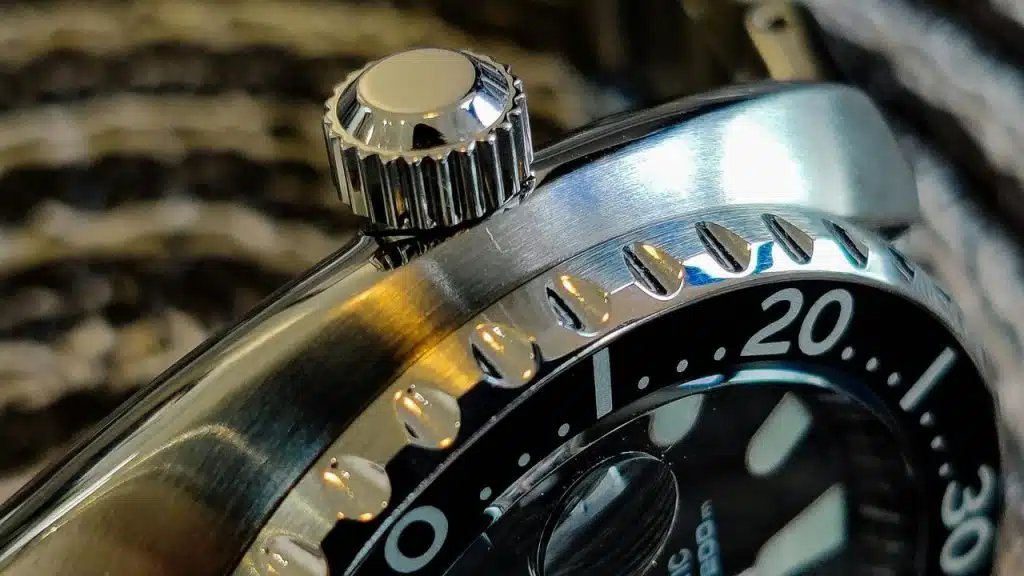
Not all metals are created equal. Stainless steel is durable, understated, and goes with just about anything. Gold and platinum bring some serious shine and weight to the wrist (and to your wallet).
Titanium feels feather-light yet tough, while ceramic has a modern edge and resists scratches better than you’d expect. Materials shape how the watch feels day to day and how you feel wearing it.
7. Try before you buy, and take your time
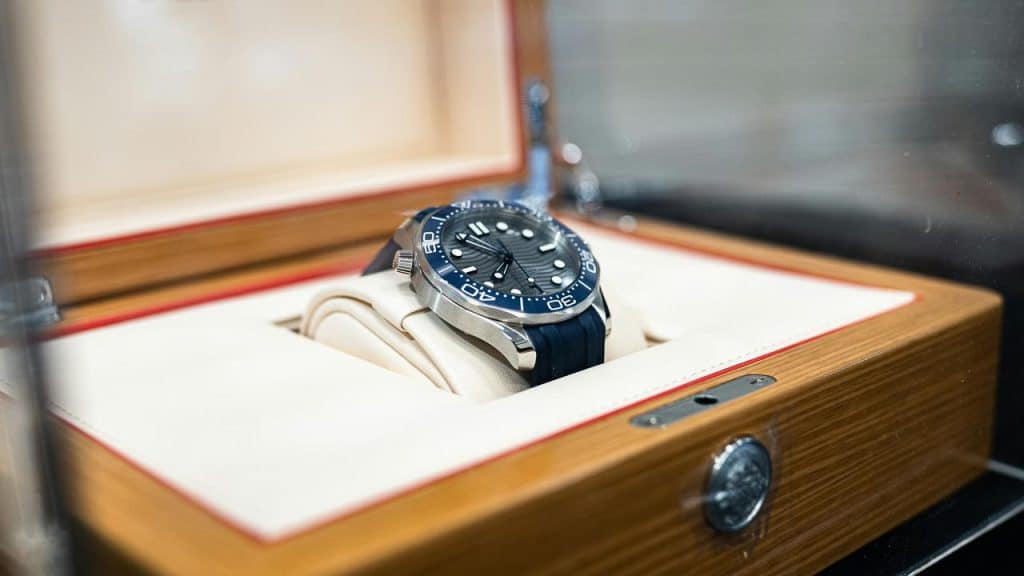
Watches can surprise you in person. That model you loved online might feel clunky on your wrist, while one you barely noticed on paper could end up stealing your heart. Try on a few at a store, feel the weight, and watch how the dial catches the light.
Even experienced collectors often say the hunt itself is as rewarding as the catch. Taking your time also lets you notice details you’d otherwise miss when rushing through the process.
8. New vs pre-owned, both have their perks
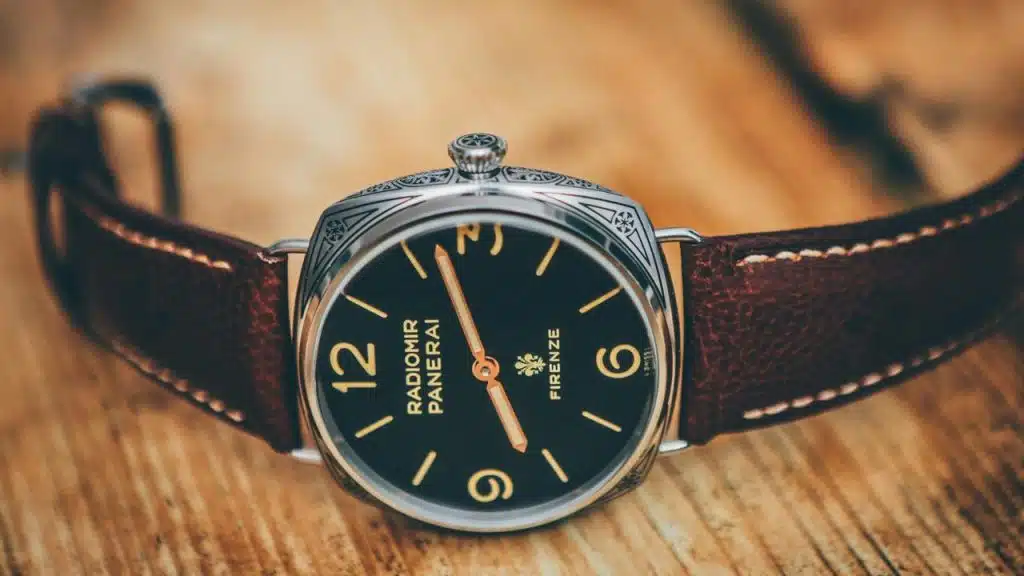
There’s a certain satisfaction in peeling the plastic off a brand-new watch. But pre-owned pieces (especially from reputable dealers) can save you thousands and sometimes even appreciate in value.
Vintage watches, with their stories etched into the caseback, often feel more alive somehow. Whatever you choose, make sure you’re buying from someone who guarantees authenticity and provides proper documentation.
9. Know the importance of provenance and papers
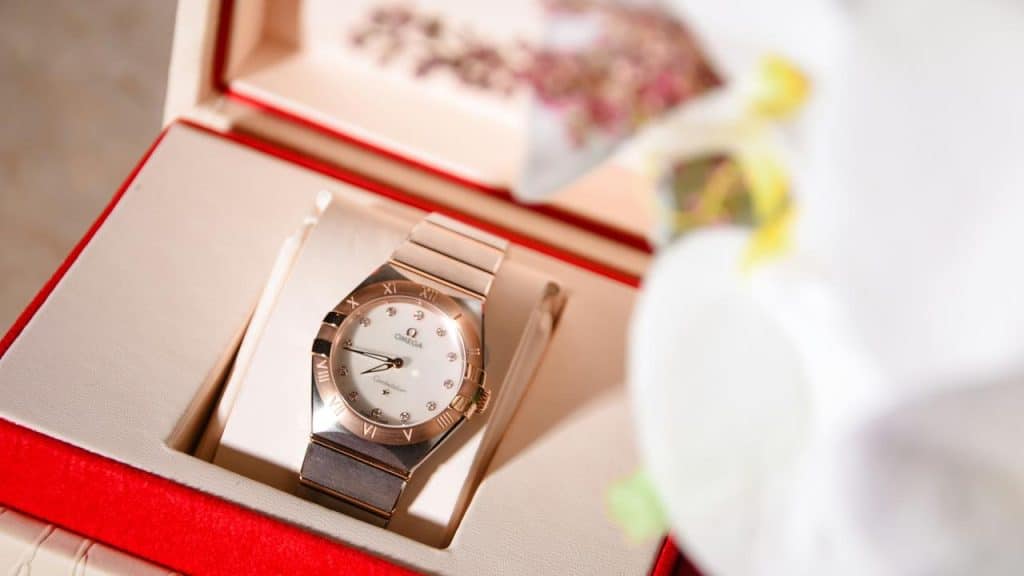
A watch without its box, papers, and service records is like buying a classic car without a title. Sure, it might look great, but good luck proving where it came from.
Those papers not only protect your investment but also make it easier to resell if you ever decide to move on. Always ask to see them before sealing the deal, and verify they match the watch.
10. Factor in servicing and maintenance
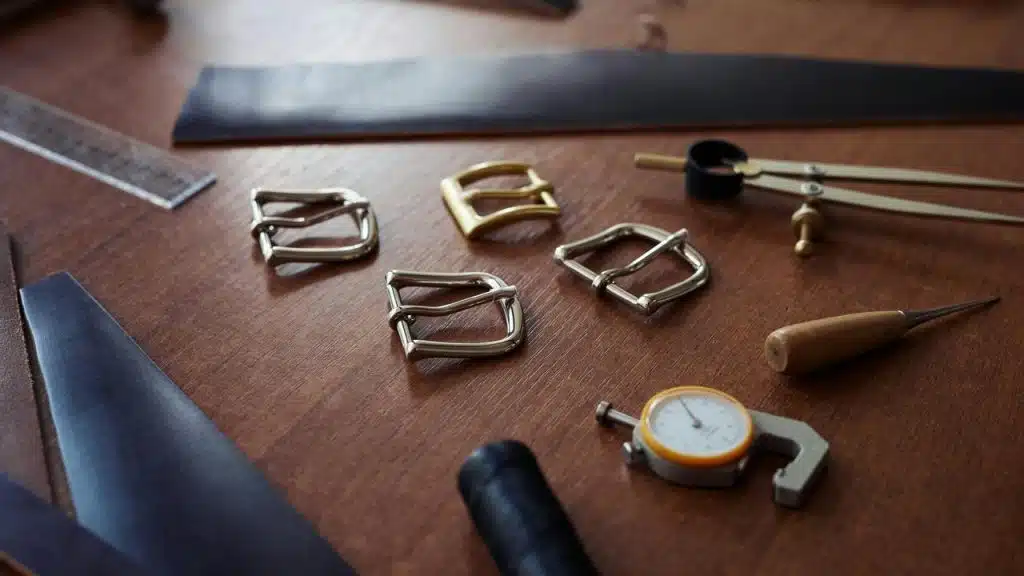
Luxury watches need care. Mechanical movements require regular servicing, usually every three to five years, to keep them running smoothly. Skipping service is like skipping oil changes. You won’t notice at first, but it’ll catch up with you.
Some high-end watches can take months to service, so patience (and a backup watch) come in handy. Factoring service costs into your budget prevents surprises down the line.
11. Look beyond the watch itself and consider the brand’s customer service
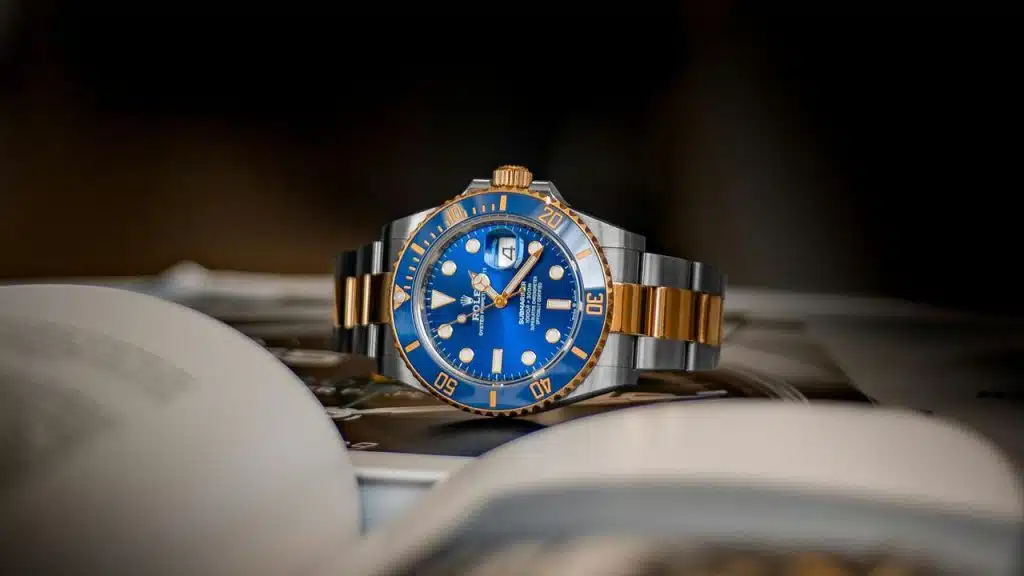
A beautiful watch is only half the story. Some brands treat their customers like family, sending handwritten notes or offering exclusive events. Others… not so much.
Good after-sales service can make the difference between a frustrating headache and a lifelong relationship with a brand. It’s worth asking other owners about their experiences before you commit.
12. Join watch forums and communities to learn from others
You’d be surprised how much wisdom lives on forums like Watchuseek or the Reddit watch community. Seasoned collectors love sharing stories, tips, and even warnings about shady sellers.
You might even make a few friends along the way. Talking watches with fellow enthusiasts sharpens your eye and builds confidence as you explore your options.
13. Be wary of trends since timeless beats hype
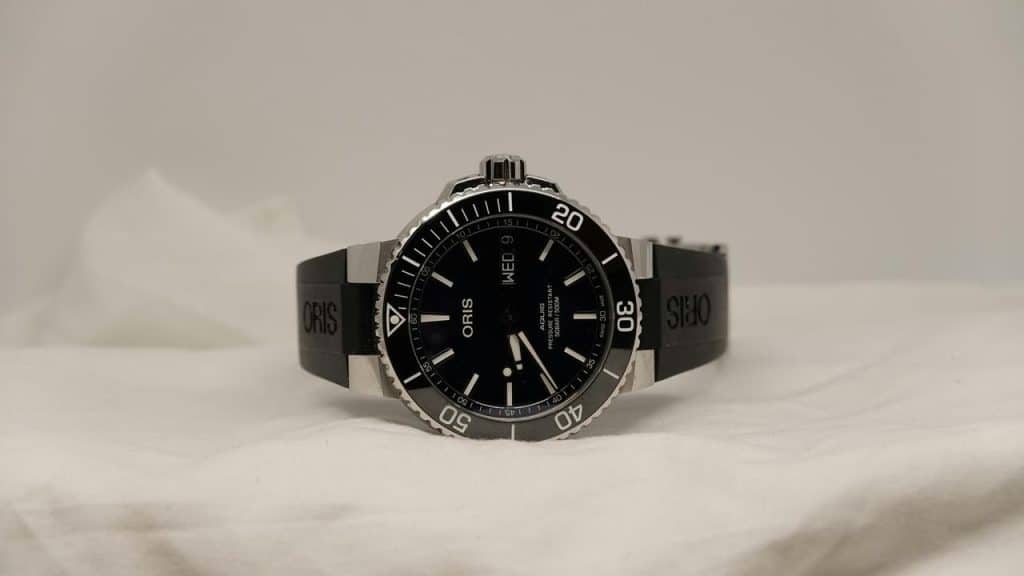
That hot model everyone’s scrambling for today might look dated tomorrow. Trends come and go, but classic designs like the Omega Seamaster or Cartier Tank have stood the test of time.
Aim for something you’ll still be proud to wear years from now, no matter what Instagram says. Watches with staying power often feel just as relevant decades later.
14. Consider the resale value, but don’t obsess over it
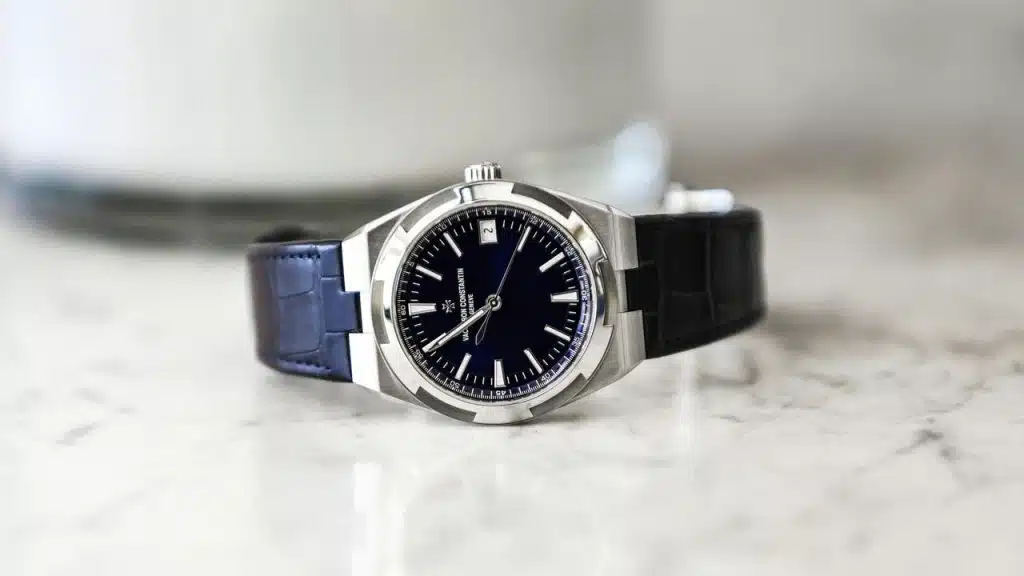
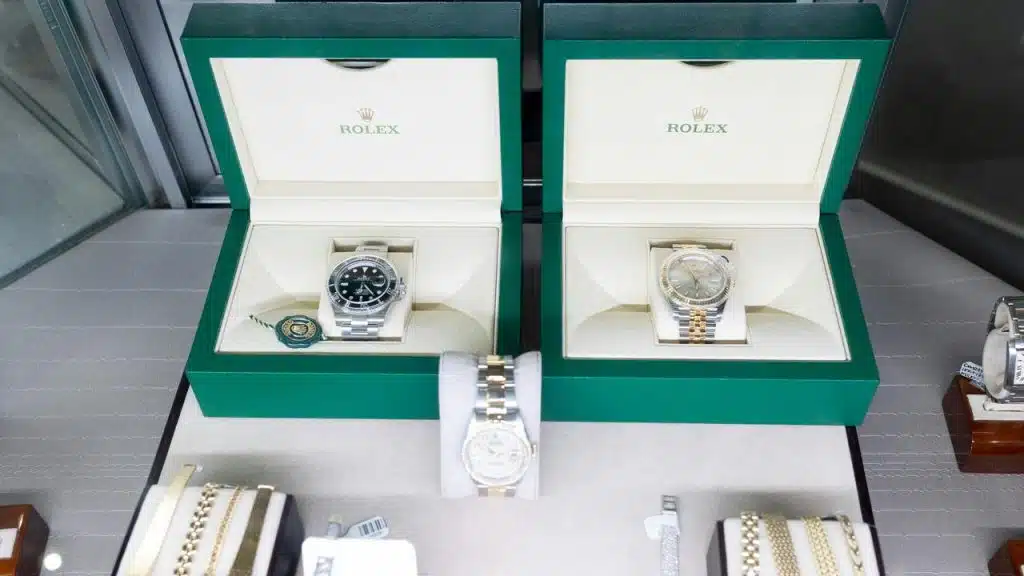
Some watches hold their value surprisingly well. Others… not so much. Brands like Rolex and Patek tend to perform better, but even then, it’s a gamble.
Choose a watch you love, and any potential resale value is just icing on the cake. It’s fine to be aware of value, but don’t let it overshadow your personal connection.
15. Don’t overlook comfort since you’ll wear it more if it feels right

This might sound obvious, but plenty of people ignore it. A watch that pinches, slides around, or weighs like an anchor will spend more time in a drawer than on your wrist.
Pay attention to how it sits, how the strap or bracelet feels, and how it balances when you move. Comfort can make or break the experience of owning a luxury watch.
16. Visit an authorized dealer rather than only shopping online

It’s tempting to hunt for deals on the internet, but visiting an authorized dealer has its perks. You can see and feel the watch, ask questions, and build a relationship with someone who knows the ropes.
Many ADs will remember you and call when something special comes in. That little bit of VIP treatment can enhance the entire experience and even open doors later.
17. Enjoy the process because the hunt is half the fun
Chasing your first luxury watch is a journey worth savoring. From the research to the conversations to finally slipping it on your wrist, every step builds the story.
Don’t rush it. One day, when someone asks about that watch, you’ll have more to say than just the time. You’ll have a memory on your wrist.






Ask Me Anything