To some, buying a watch is about keeping track of hours. But to the aficionados, a timepiece is about wearing something that says a little (or a lot) about themselves. Walk into a watch shop and you’re bound to hear terms tossed around that sound like another language.
Suddenly, you’re nodding along while secretly wondering what a “complication” even means. Knowing the language of watches gives you confidence and saves you from spending more than you should.
Let’s break down sixteen watch terms every man should know before strapping a new timepiece to his wrist.
1. Movement: What Really Makes It Tick
You’ll hear “quartz” and “mechanical” thrown around the most when talking about watches. Quartz watches run on batteries and tend to be more accurate with little fuss. Mechanical movements rely on gears, springs, and craftsmanship, often favored by enthusiasts for their artistry and tradition.
Within mechanical watches, there are automatic and manual winding options. Automatics wind themselves with the natural motion of your wrist (yes, your daily commute can power it), while manuals require you to wind the crown by hand now and then. Knowing the movement tells you how much care and attention your watch will require from you.
2. Complication: Sounds Fancy, but Isn’t
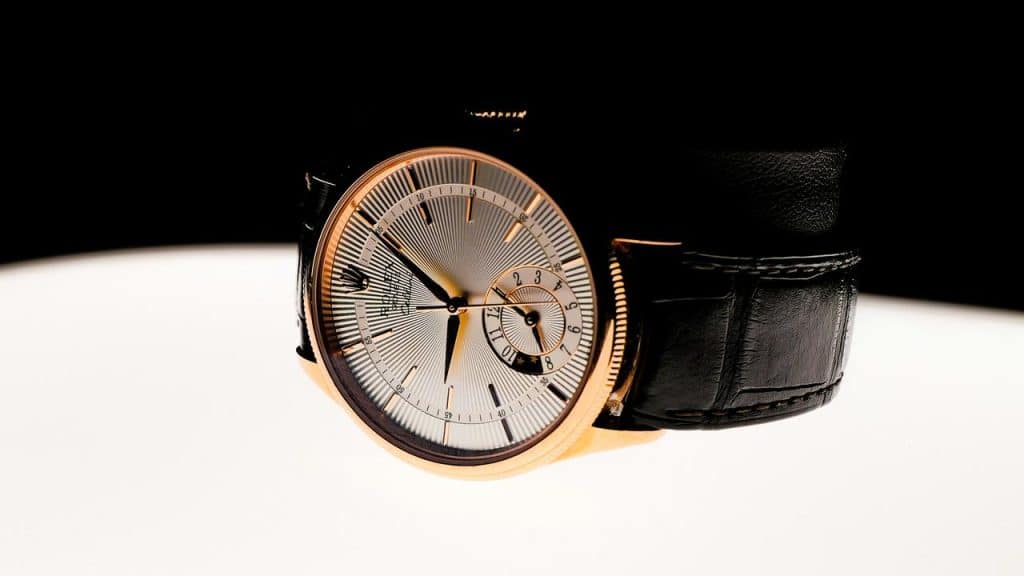
In watch lingo, a “complication” is simply any function beyond telling the time. That could mean a date display, moon phase indicator, and more. Some watches pile on multiple complications like a Swiss army knife. Fascinating for collectors, but sometimes it looks cluttered for everyday wear.
Guys who enjoy a bit of mechanical appeal tend to gravitate toward watches with complications. Even a simple date window technically counts as one. Next time you’re at a counter, you’ll be able to nod knowingly when someone mentions it.
3. Chronograph: More Than Just a Stopwatch
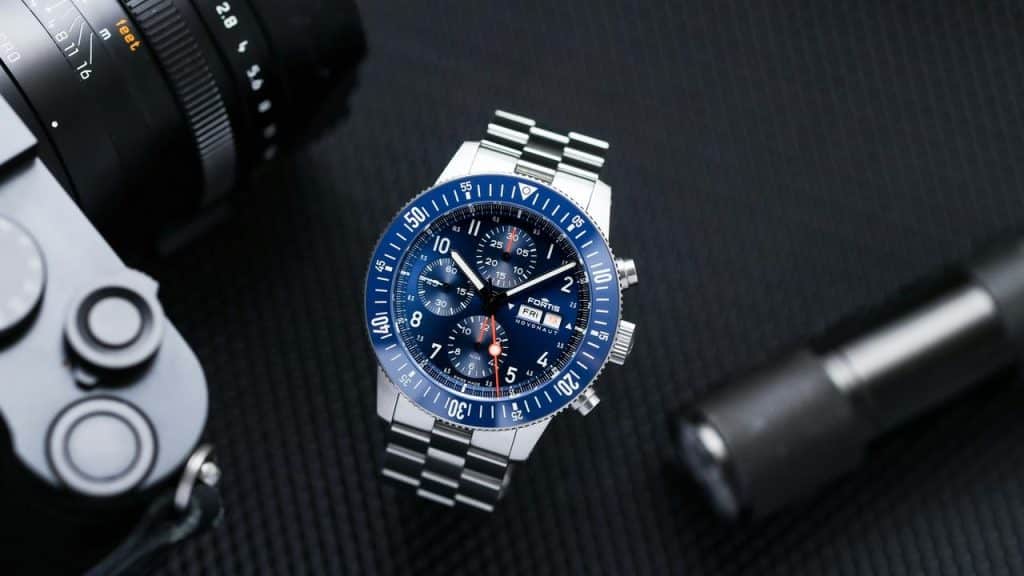
A chronograph is a type of watch that lets you measure short intervals of time, much like a stopwatch. It usually has extra sub-dials and pushers on the side to start, stop, and reset the timer. Popular among pilots, racers, and anyone who likes fiddling with buttons, the chronograph brings both functionality and a sporty vibe.
You might never time a lap around Daytona, but pressing those pushers can feel oddly satisfying. The design alone is enough to draw compliments.
4. Bezel: The Subtle Design Element
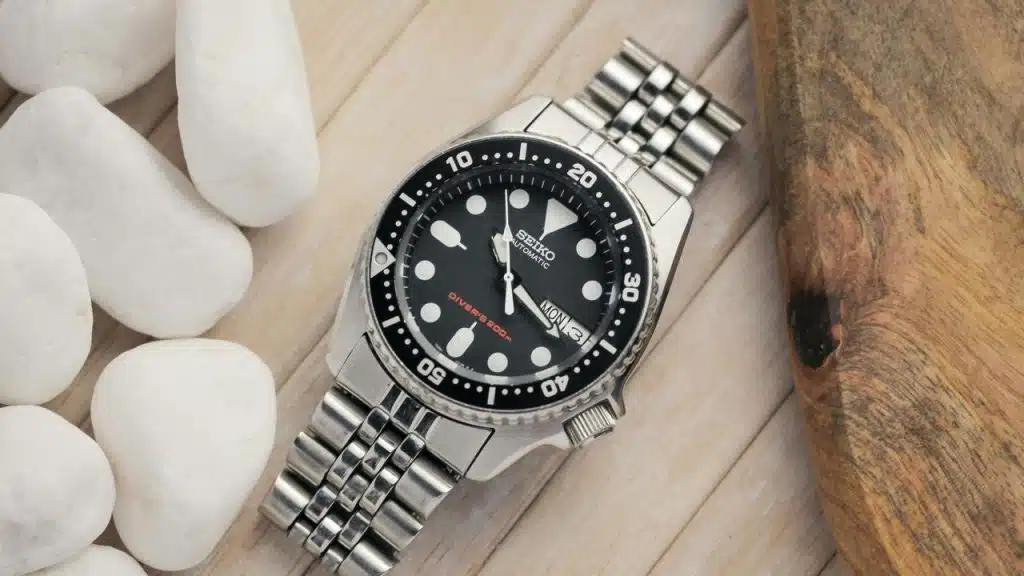
The bezel is the ring around your watch face, often with numbers or markings. On some watches, it rotates and serves a real purpose. Divers use rotating bezels to track time underwater, pilots use them for navigation, and some guys just like the bold look they add.
Even on non-functional models, the bezel influences the entire personality of the watch. Materials vary between steel, ceramic, and precious metals, so don’t overlook this detail when you’re choosing.
5. Crystal: The Glass You’re Staring Through
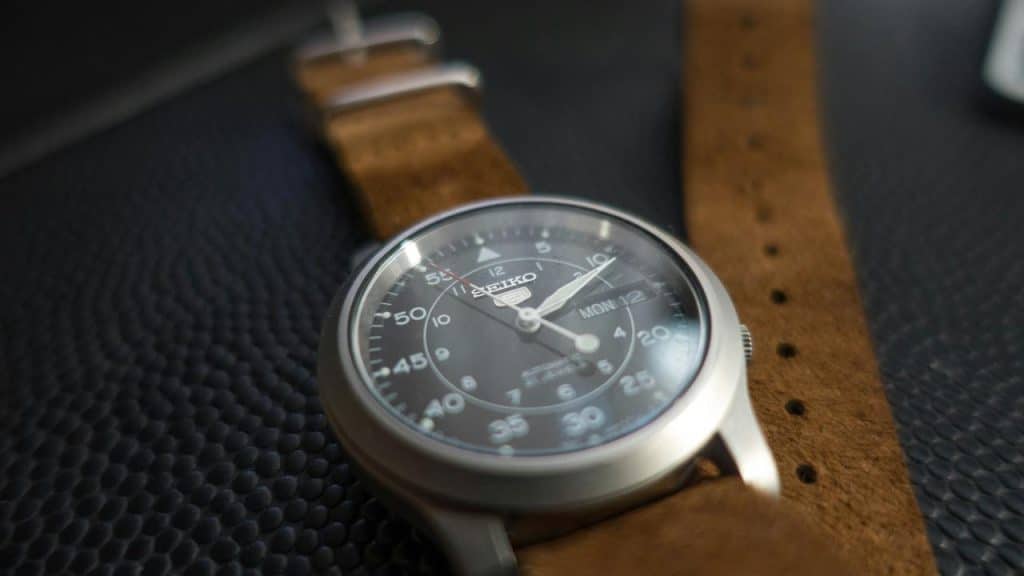
The crystal is the clear cover protecting the dial. You’ll encounter three main types: acrylic (lightweight and easy to buff out scratches), mineral (tougher but more prone to chips), and sapphire (highly scratch-resistant and premium).
Sapphire crystals are often favored for their durability and clarity. Run your finger over it and you’ll sometimes feel the difference. If you’re the kind of guy who tends to bump into things (or doorframes), the right crystal matters more than you think.
6. Lugs: The Small Detail Nobody Notices… Until They Do
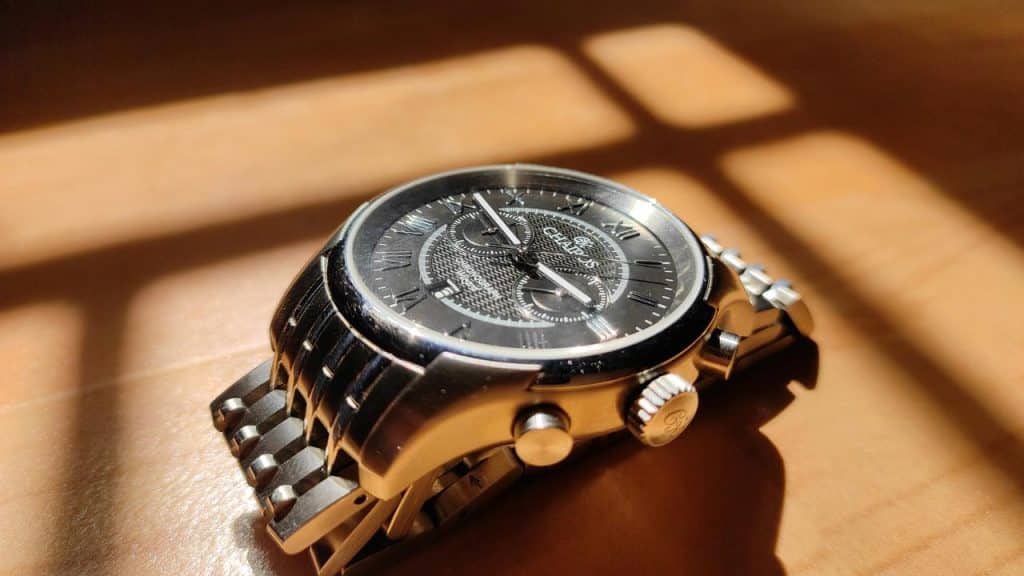
Lugs are the little arms that extend from the case and hold the strap or bracelet in place. They seem minor, but they affect how a watch sits on your wrist and how straps fit.
Pay attention to “lug-to-lug” measurements if you have a smaller or larger wrist. A watch that overhangs your wrist because of long lugs can feel awkward, no matter how sharp it looks in the display case.
7. Caseback: The Hidden Canvas
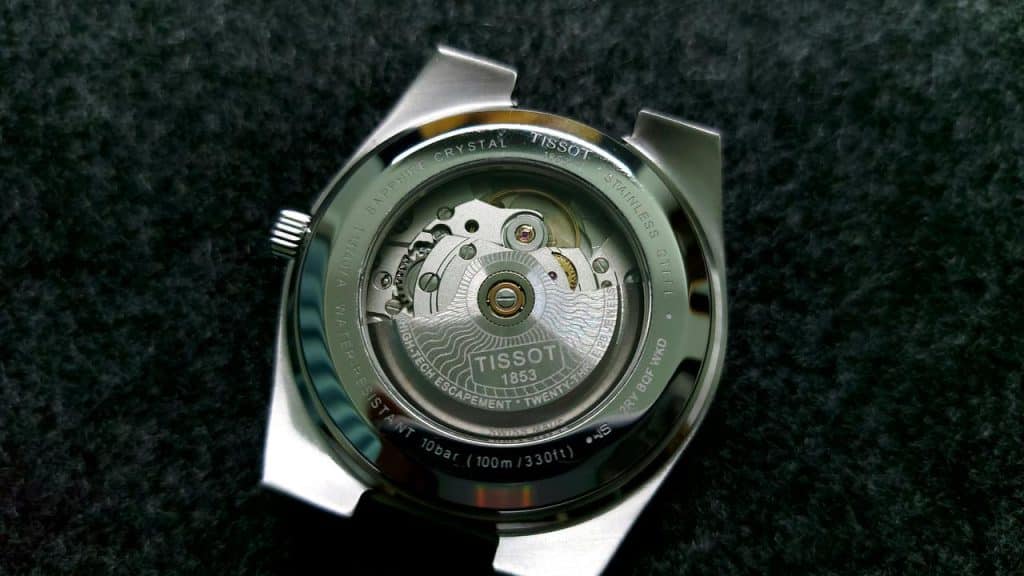
Flip a watch over and you’ll find the caseback. Sometimes it’s solid, sometimes it has a sapphire window showing the movement (often called an exhibition caseback). Some even have engravings or decorative touches, a nod to heritage, brand identity, or a personal story.
A well-done caseback feels like a secret only you get to enjoy. If you’re buying for a milestone, consider leaving room for your own engraving too.
8. Crown: More Than Just a Knob
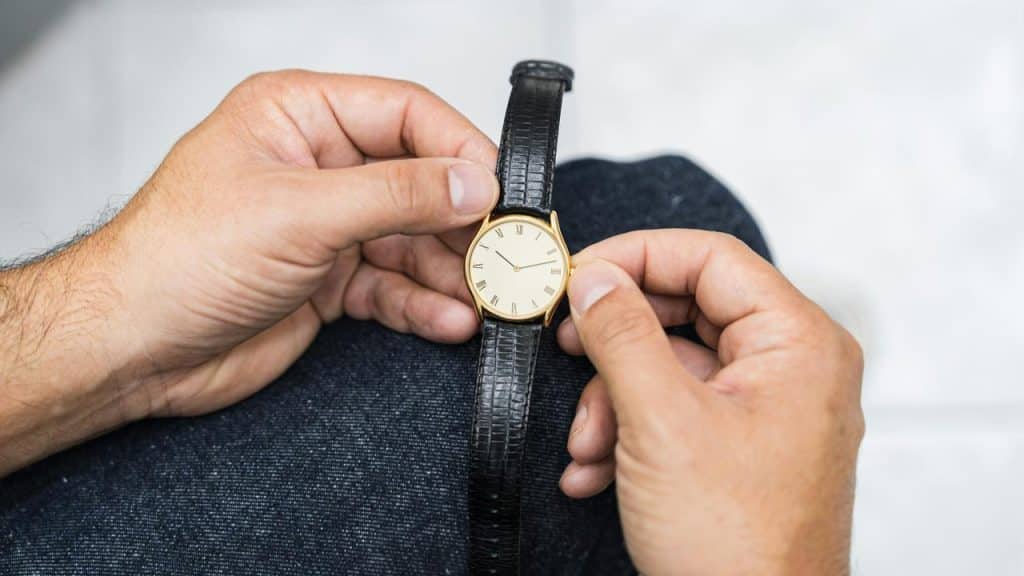
That little knob on the side of the case is called the crown. You use it to set the time and date, and to wind a manual watch. On sports and dive watches, crowns often screw down to improve water resistance.
Some crowns feel buttery smooth while others are a bit stiff. Both tell you something about the watch’s build quality. Treat it gently and avoid over-tightening if you want it to last.
9. Water Resistance: Don’t Trust the Numbers Blindly
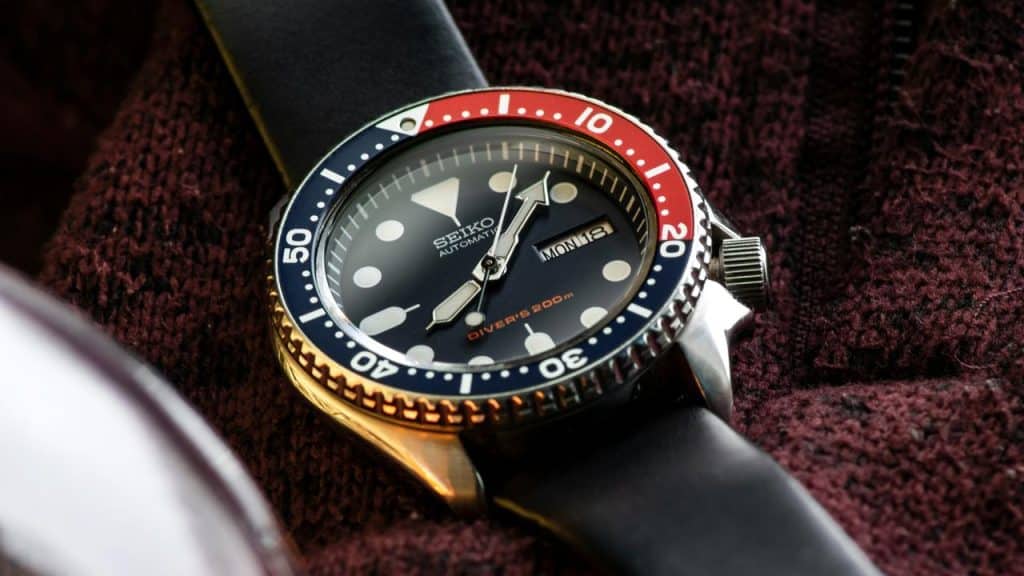
Water resistance ratings often confuse people. Seeing “50 meters” on a dial doesn’t mean you can swim to that depth with it. Ratings refer to pressure tests rather than real-world use.
As a rule of thumb, anything under 50 meters is splash-proof. If you’re planning on actual swimming, look for 100 meters or more and make sure the crown is secured properly.
10. Power Reserve: How Long Before It Stops
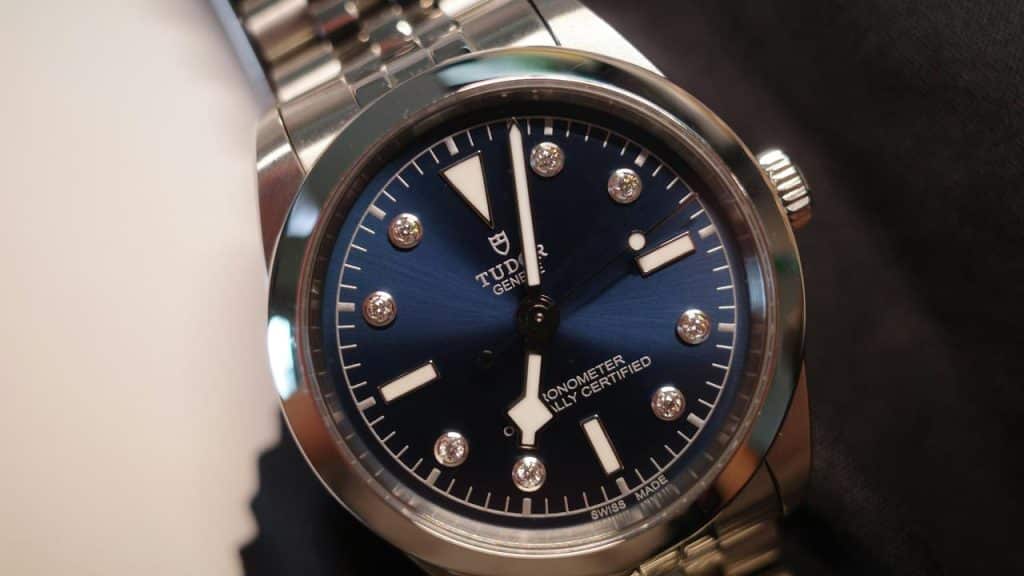
Mechanical and automatic watches store energy in a spring called the mainspring. The amount of time your watch keeps running when you set it down is called the power reserve.
Most automatics last anywhere from 36 to 80 hours off the wrist. That means if you set your watch down for the weekend and pick it up Monday morning, you might need to reset it. Knowing your power reserve helps avoid unnecessary frustration.
11. GMT: For the Jet-Setter (or Wannabe)
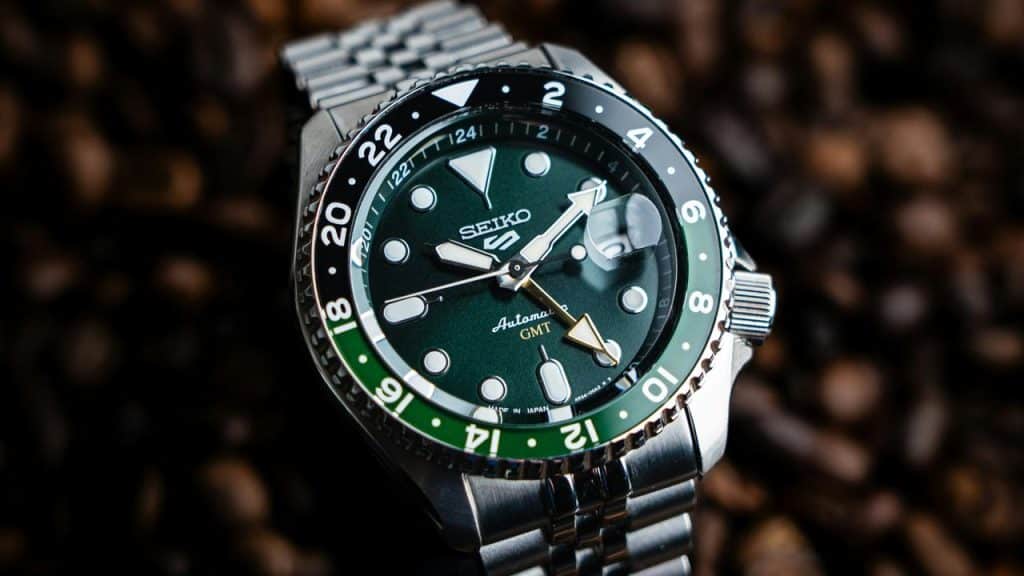
GMT stands for Greenwich Mean Time and refers to a watch that tracks a second time zone. Typically, there’s an extra hand and a 24-hour scale on the bezel or dial.
Originally designed for pilots crossing time zones, GMT watches carry a certain cool factor. Even if your biggest trip this year is just to Chicago, it’s handy and it looks sharp.
12. Tachymeter: A Word You’ve Seen but Never Used
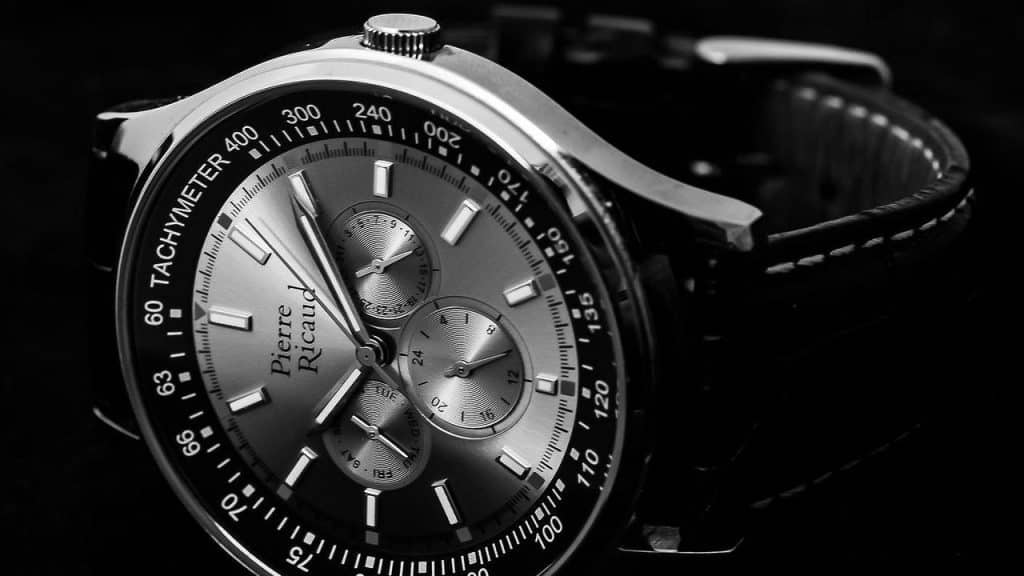
Ever notice a scale with numbers on the outer rim of a chronograph? That’s the tachymeter. It’s used to measure speed over a fixed distance, something racers and engineers used to rely on before smartphones did everything.
You probably won’t use it much in daily life, but it adds character and a technical feel that many guys appreciate.
13. Luminescence: Glowing in the Dark
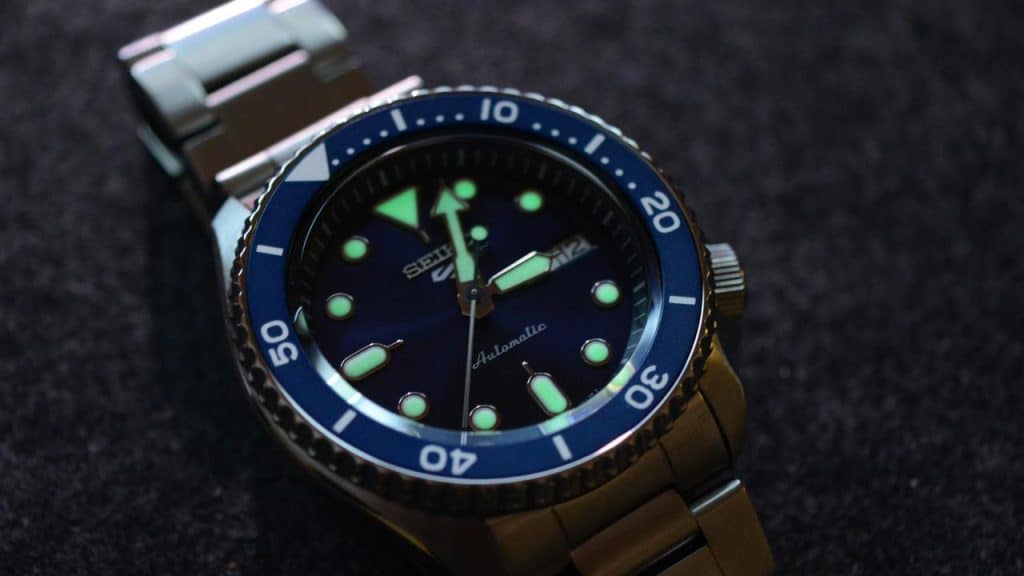
The glow-in-the-dark material on hands and markers is called luminescence, or lume. Modern watches often use Super-LumiNova, while vintage models might have tritium (which ages to a warm patina over time).
Good lume can make a watch more functional at night or just plain fun to show off in a dim bar. You might even catch yourself glancing at it for no reason, just enjoying the glow.
14. Strap vs. Bracelet: Where Personal Style Shines
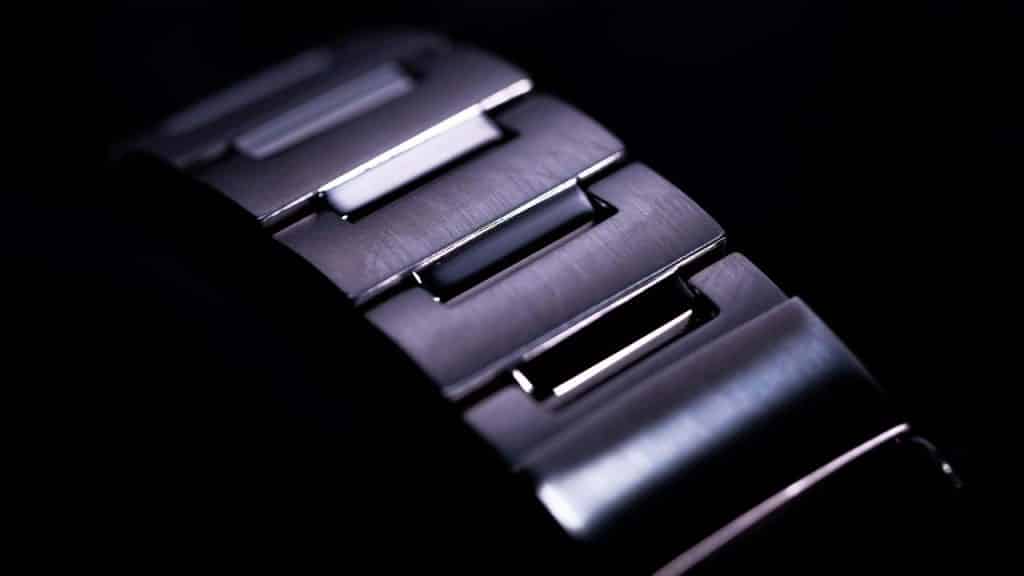
This is where you can really personalize your watch. Straps come in leather, rubber, canvas, or NATO nylon. Bracelets are usually metal and range from dressy to rugged.
Leather is timeless and versatile. Rubber or NATO straps work better for sports or summer. Metal bracelets give off a classic masculine vibe, and they’re durable too. Don’t be afraid to switch things up with the seasons.
15. Dial: Where the Personality Lives
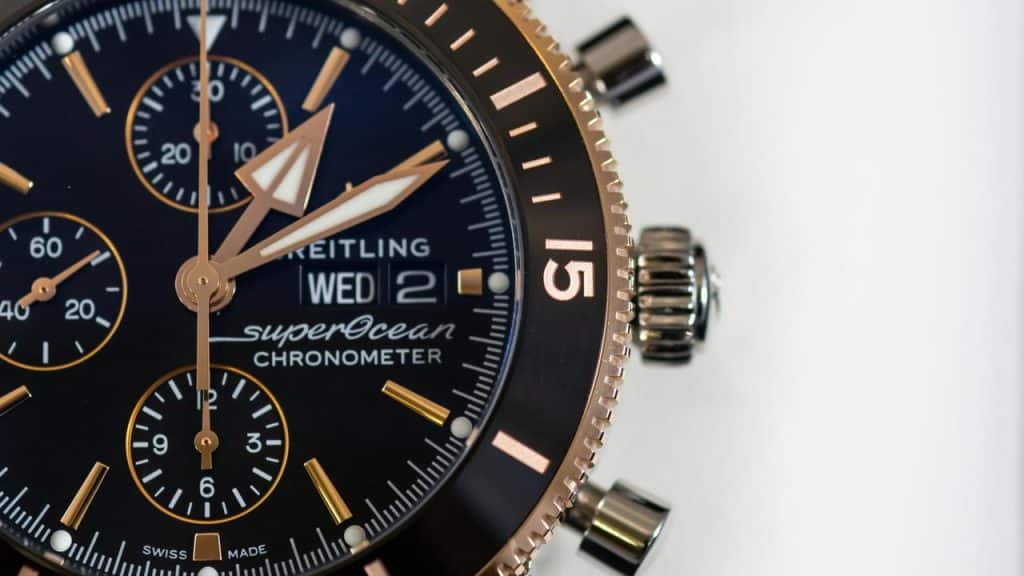
The dial is what you’re looking at most of the time. It’s the face of the watch. Details like color, texture, markers, and hands all play into its character.
Some guys prefer minimal white or black dials while others gravitate toward bold blues, greens, or even salmon tones. Explore different looks until you find one that feels like you.
16. Haute Horology: When Watches Become Art
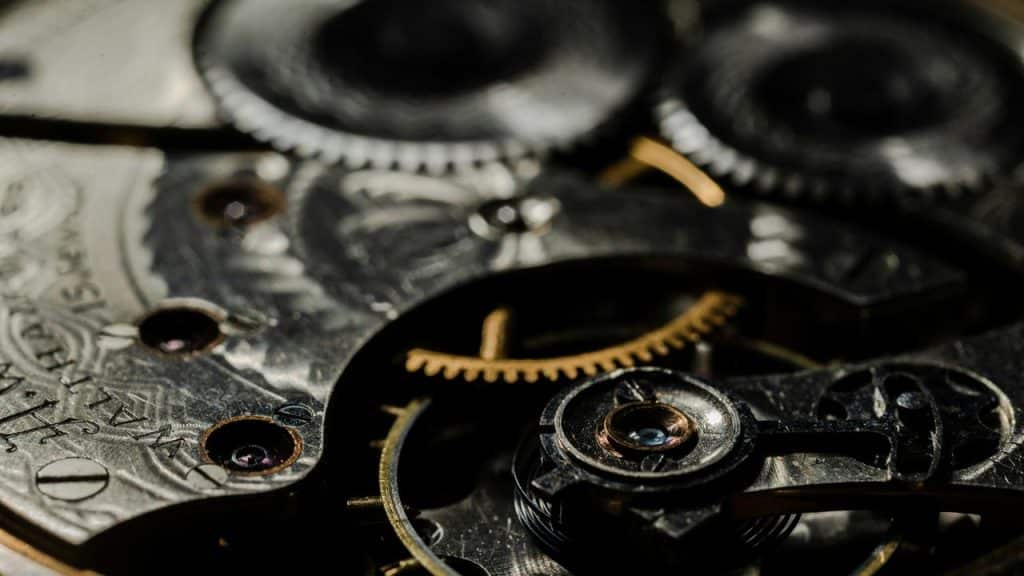
Haute horology (literally “high watchmaking”) refers to timepieces that showcase extraordinary craftsmanship, innovation, and finishing. These are the watches collectors obsess over and auction houses feature.
Think of it as the difference between a fine-tailored suit and something off the rack. Not everyone needs one, but it’s worth appreciating what goes into them. Even window-shopping, these pieces can teach you a lot about quality and tradition.






Ask Me Anything